 OPEN THE SCORE ↗
/
THIS IS NOT AN ENTRANCE
VITOR RUAIS NOT A PLACE
an unstable archive of sound, images, words
and other animals that escaped their names
01A MAP DRAWN
A MAP DRAWN
WITHOUT NORTH
Escolha a porta errada. Pode ser a certa.
〽 SOUNDA wire remembers the storm that passed through it.♩ SCORESA page teaches silence where to place its feet.▱ IMAGESome pictures are holes through which time watches us.▥ BOOKSPaper is a quiet animal with an infinite stomach.◉ MOVING IMAGESThe eye walks into a room the body has never entered.? RESEARCHA question puts its ear against the wall of the universe.⌁ ZOOMUSICOLOGIAThe forest writes in smells, and every throat keeps another theory of music.△ OPERAVoices build impossible houses and leave the doors singing.⚡ TELECTUTwo minds invented a third creature made entirely of listening.☆ LIFE / ARCHIVEThe years refuse to stand in a straight line.
02 / SOUNDThe air keeps
The air keeps
what the fingers forget.
02¼ / SCORESThe page waits
The page waits
for a sound to happen.
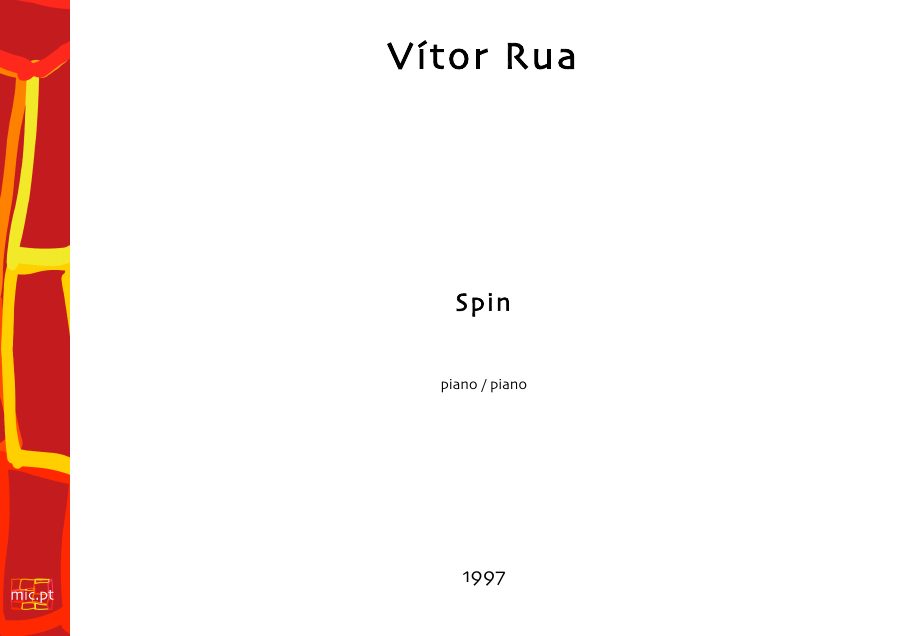
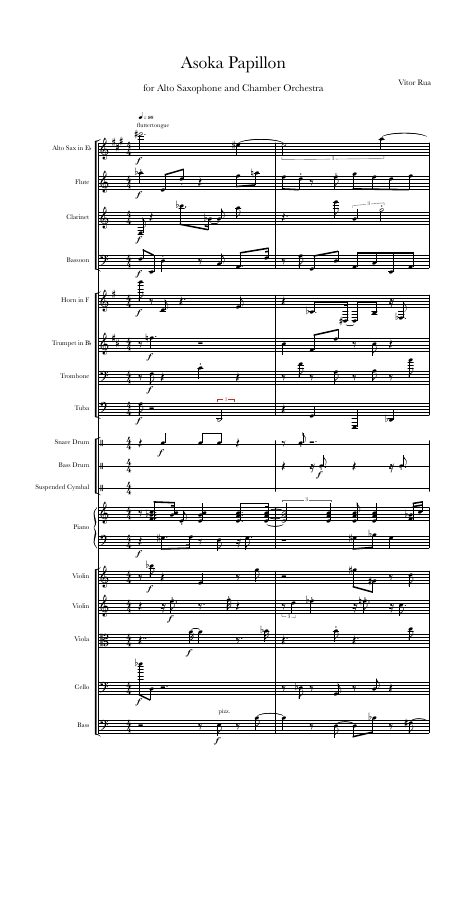
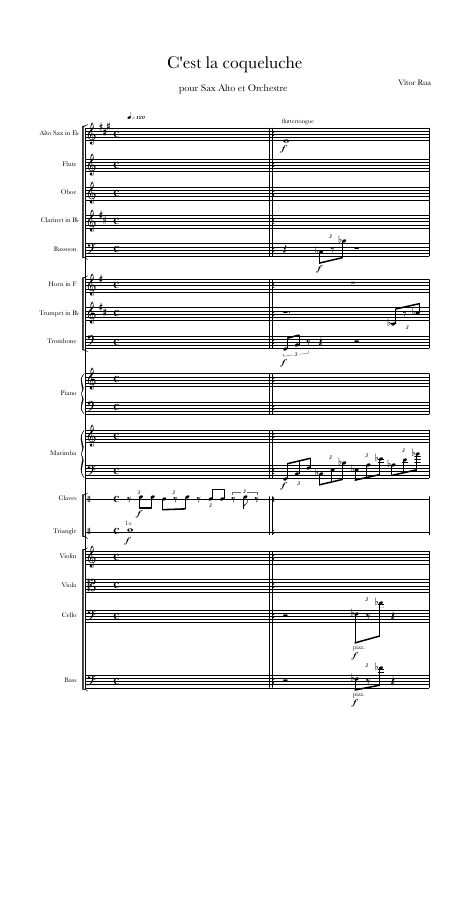
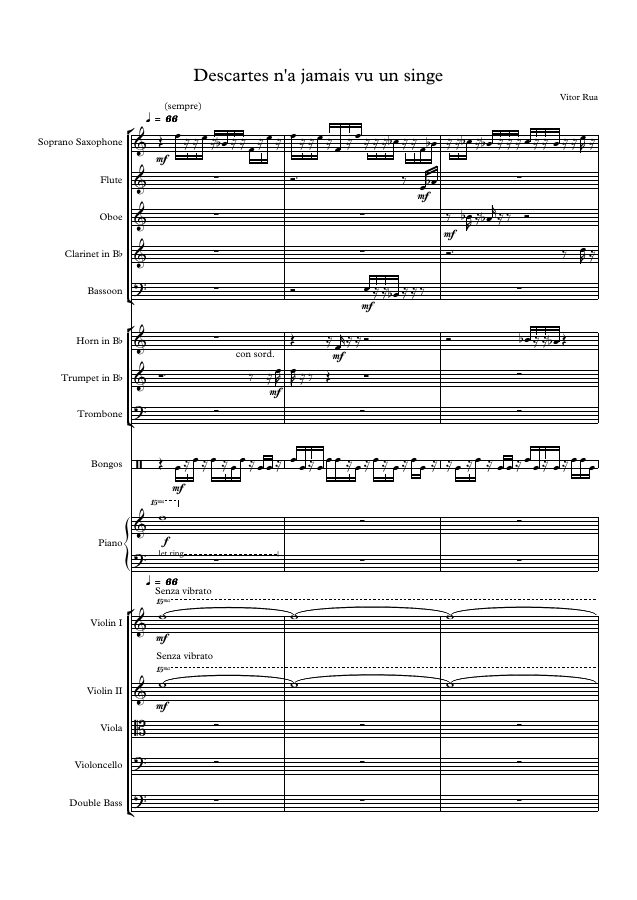
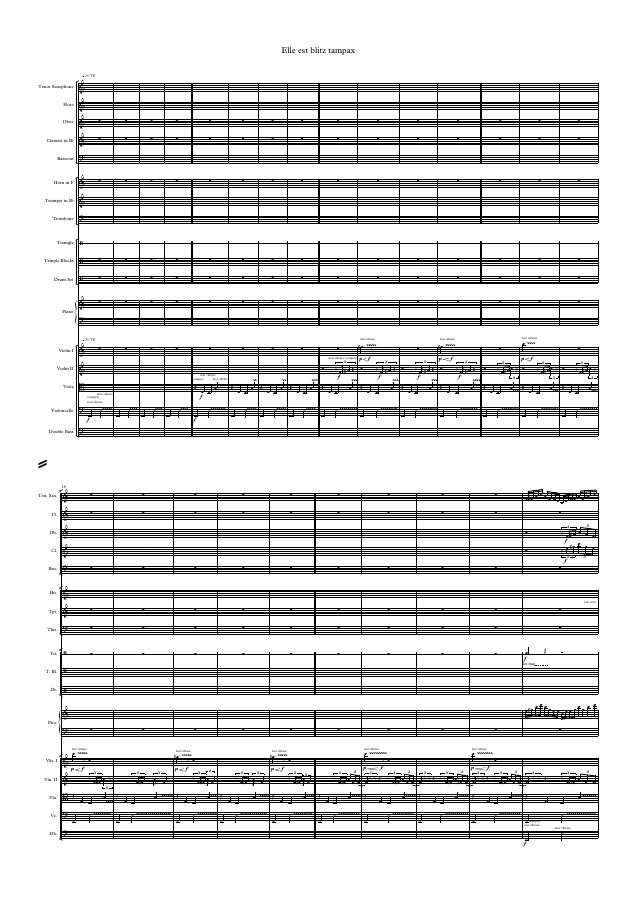
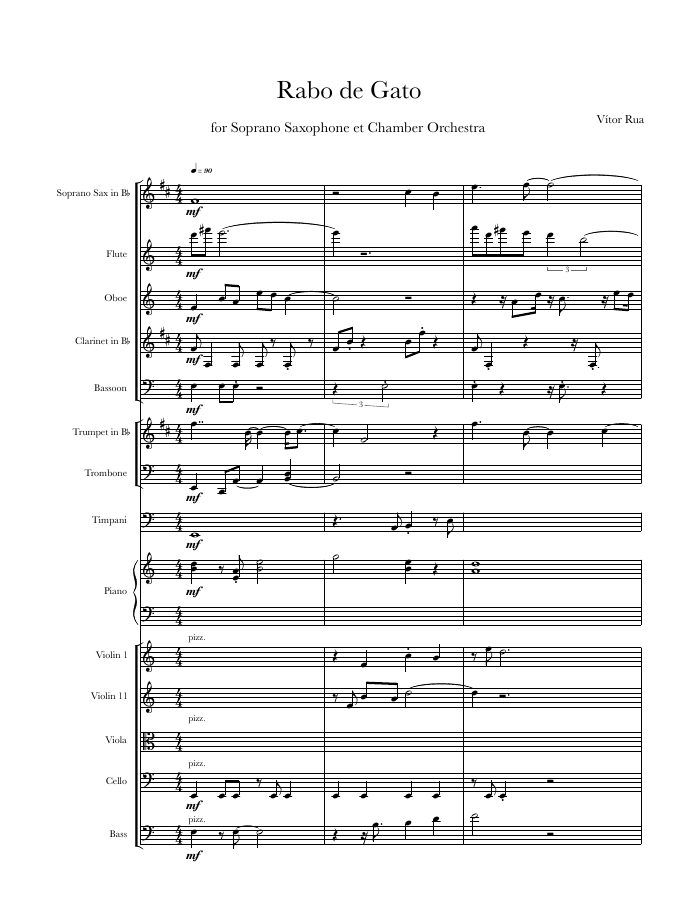
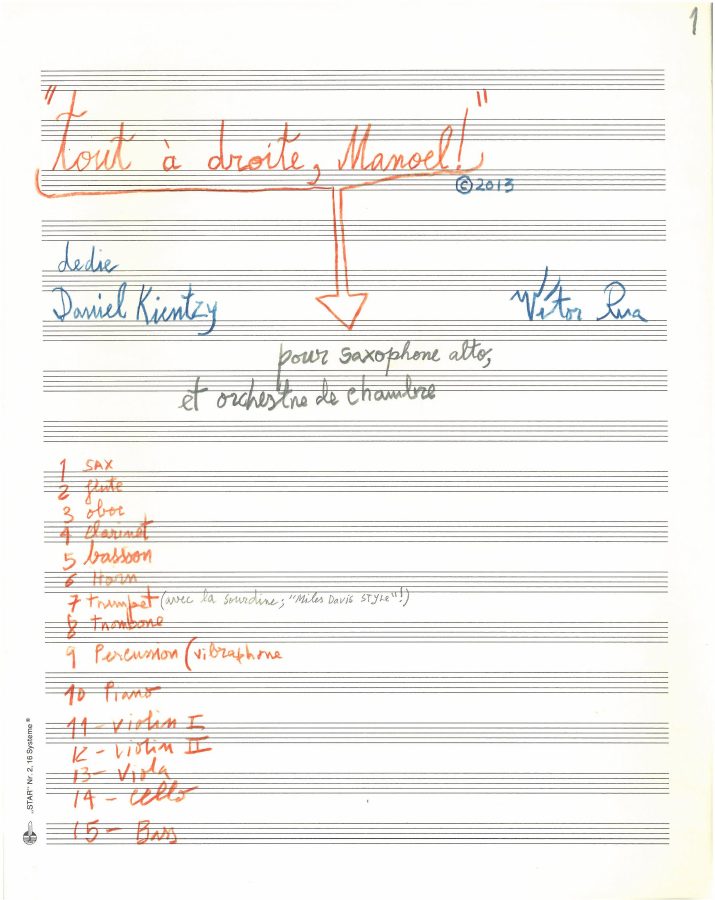
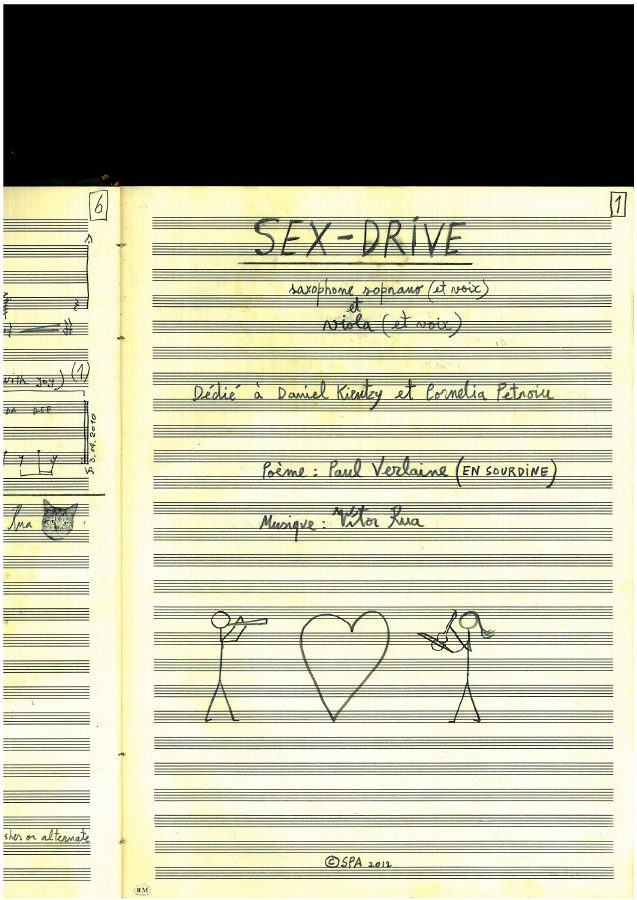
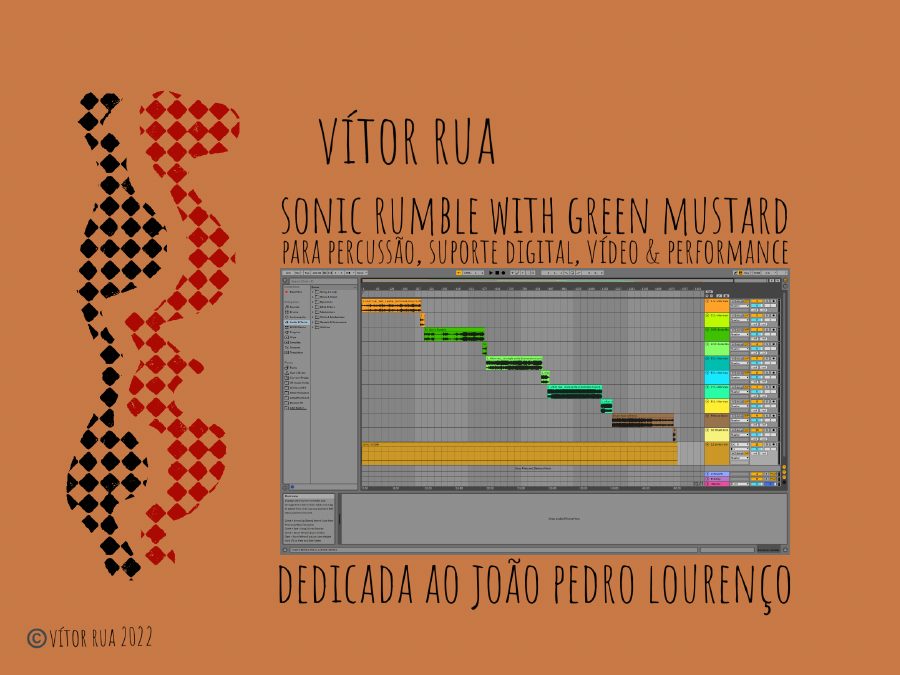
Eighteen works enter this first cabinet. Every card shows the real first page of the score; open it to read the complete PDF.
18 WORKS · 20 DOCUMENTS · FIRST SHELFOne body, two bodies, and the distances they invent.
OPEN THE SCORE ↗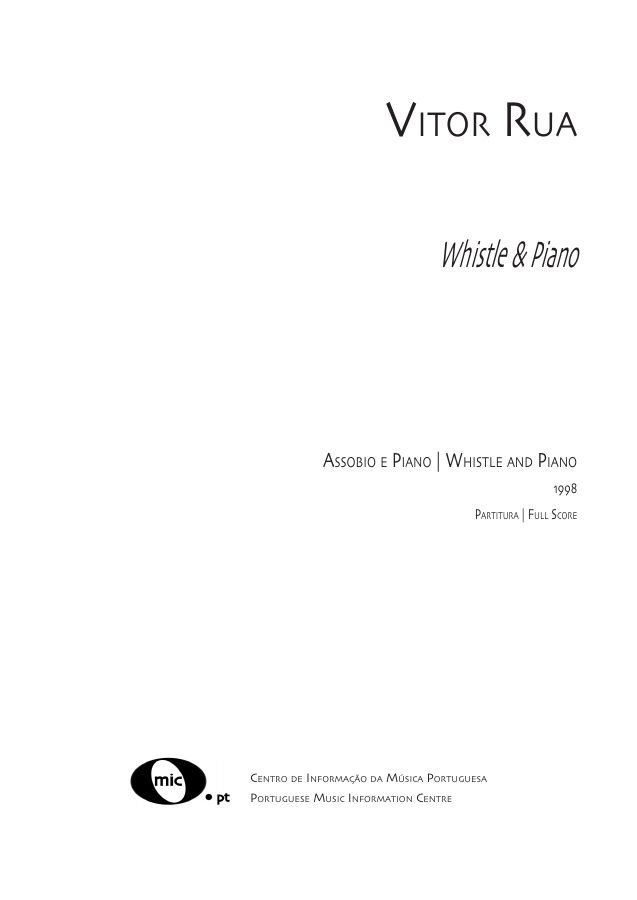 OPEN THE SCORE ↗
A column of air learns several impossible alphabets.
 OPEN THE SCORE ↗
 OPEN THE SCORE ↗
 OPEN THE SCORE ↗
03
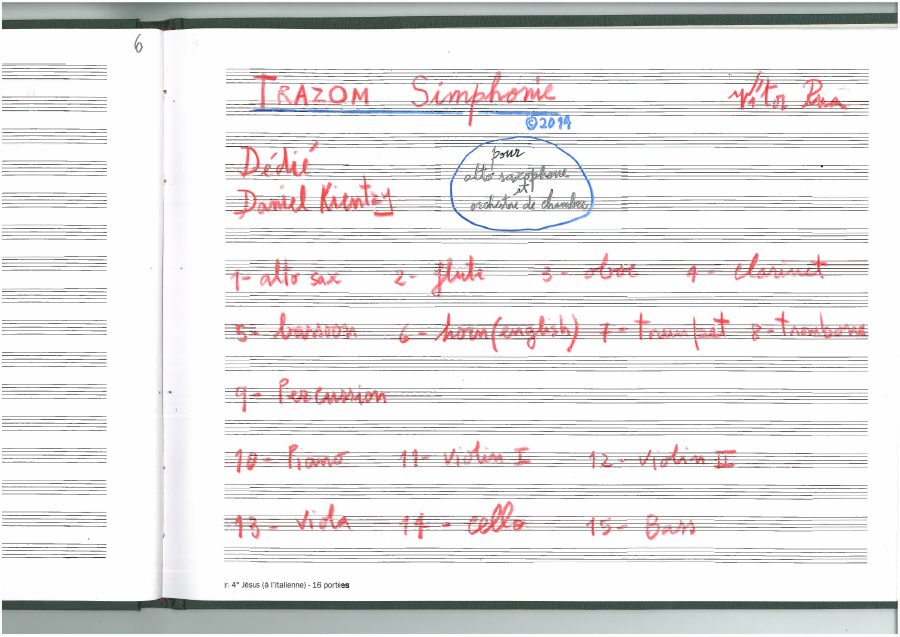
Descartes n'a jamais vu un singe
soprano saxophone and instrumental ensemble · 2014
 OPEN THE SCORE ↗
 OPEN THE SCORE ↗
 OPEN THE SCORE ↗
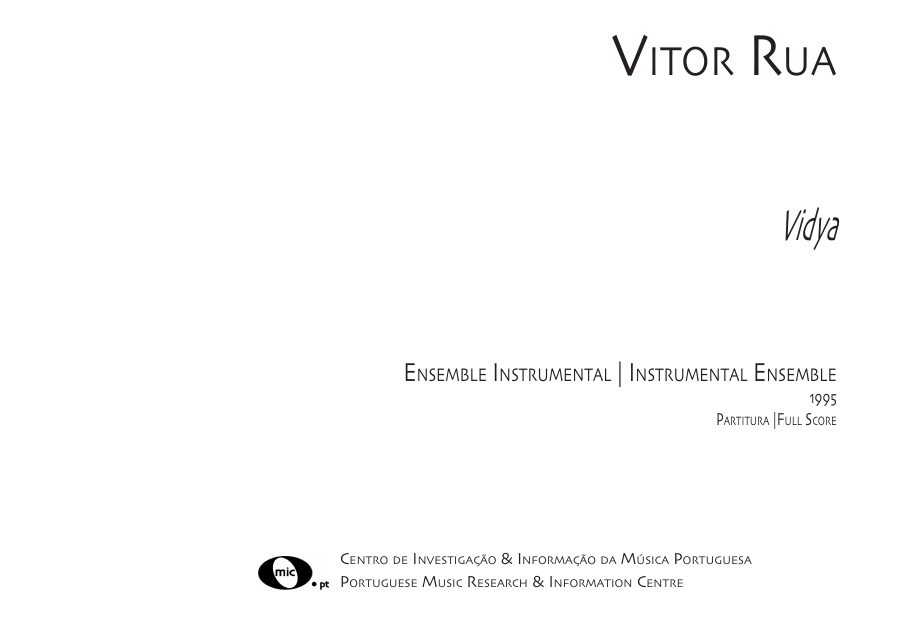
Many instruments gather around a question with no conductor.
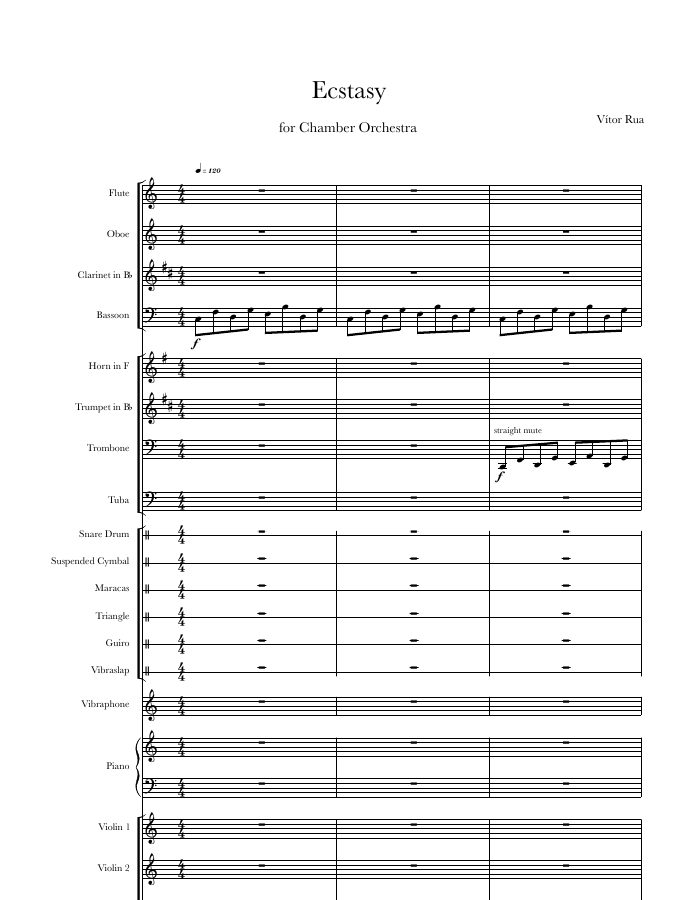
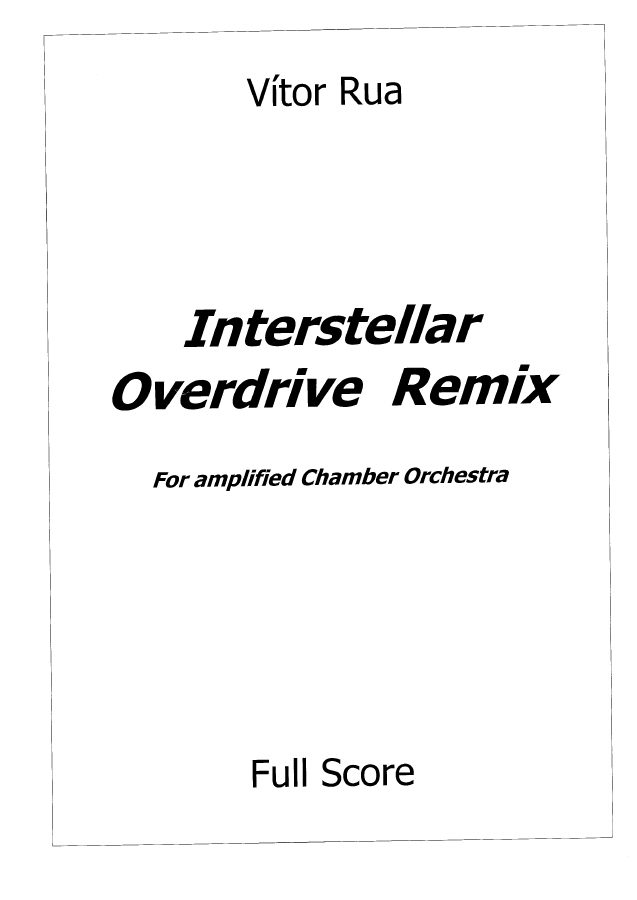
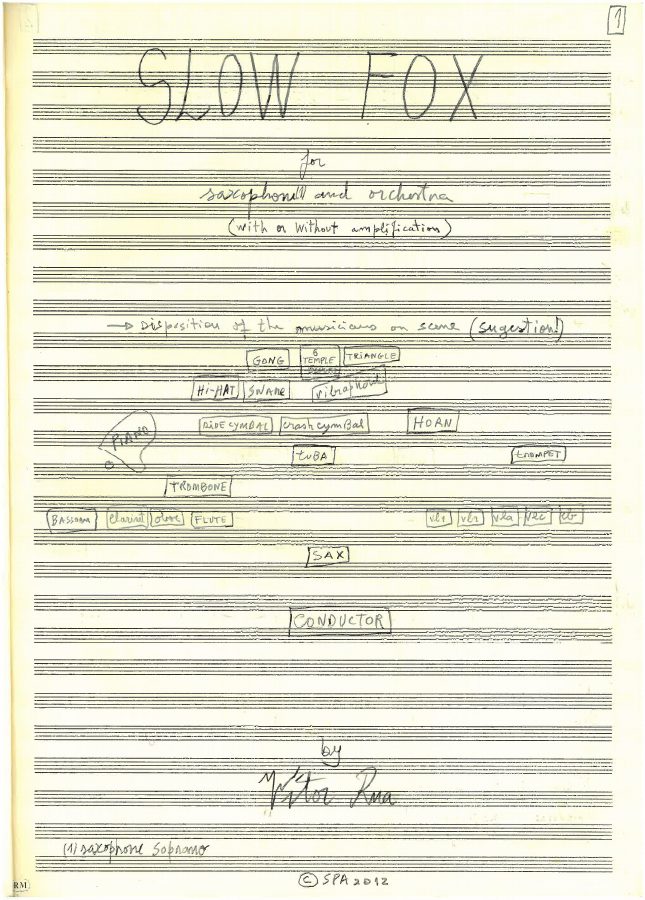
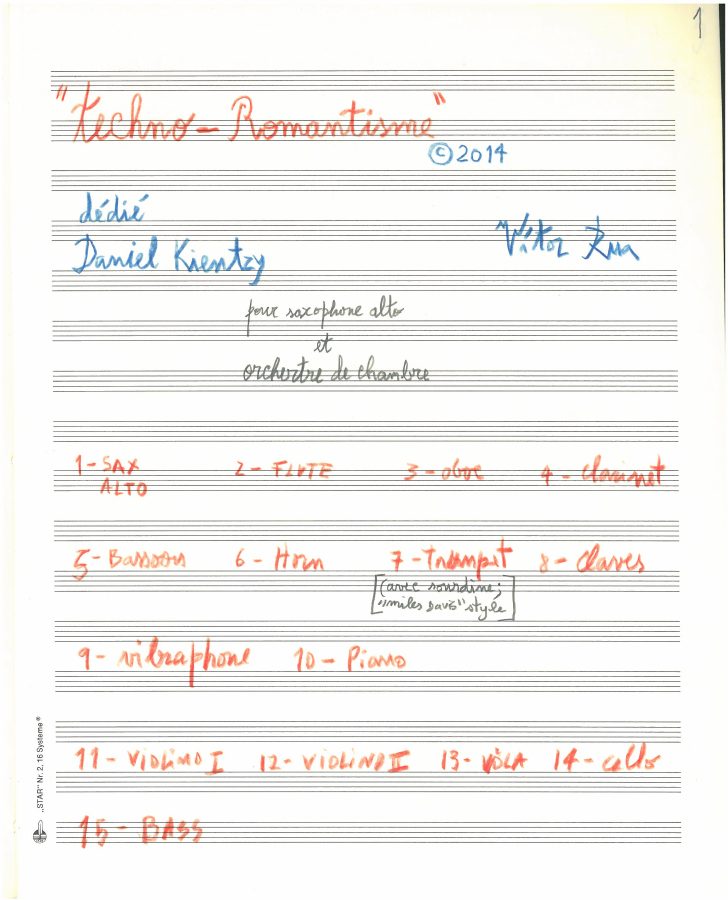
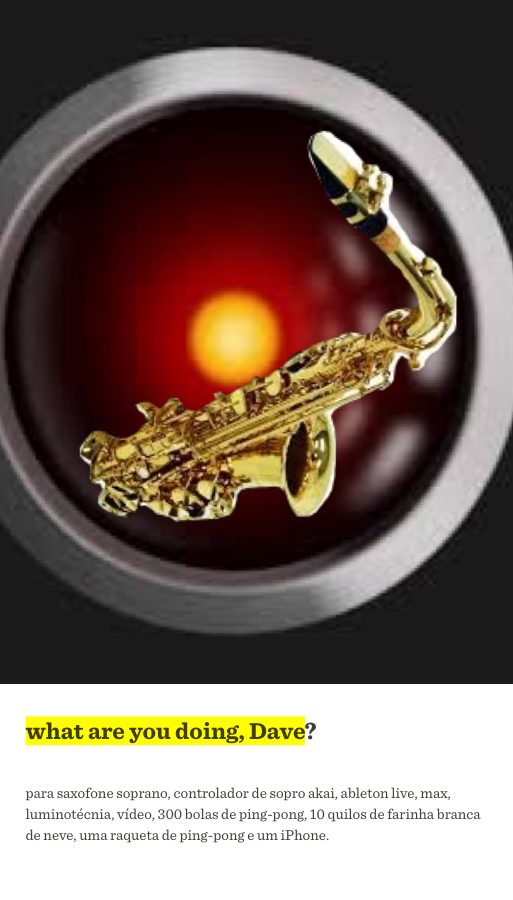
The score leaves the music stand and begins touching the room.
 OPEN THE SCORE ↗
01
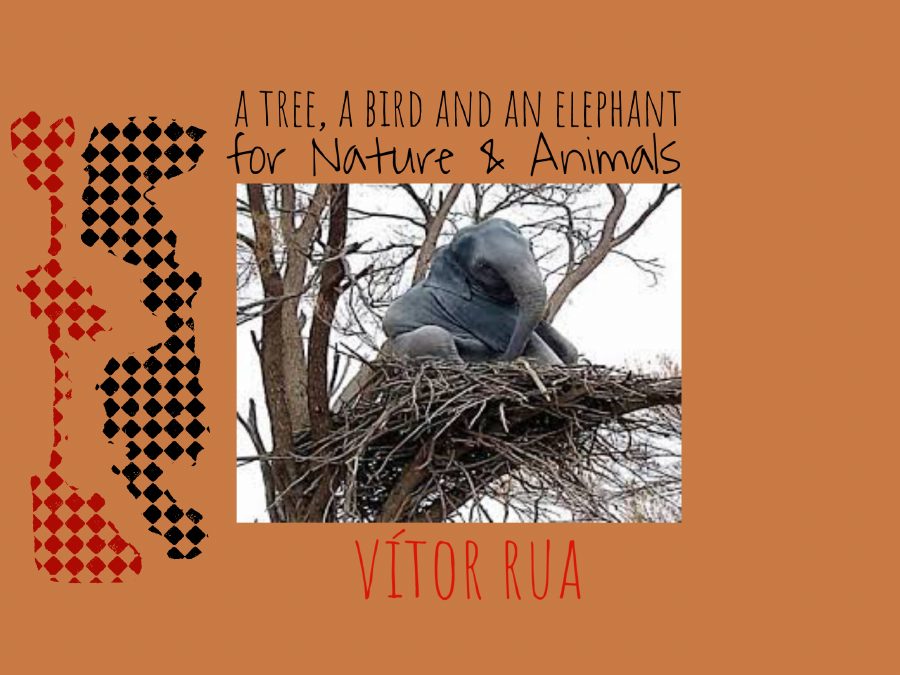
I'm Afraid, Dave...
soprano saxophone, wind controller, electronics, light, video and objects
 OPEN THE SCORE ↗
 OPEN THE SCORE ↗
 OPEN THE SCORE ↗
THIS SHELF IS ALIVE. MORE SCORES WILL ENTER LATER.
02½ / TELECTUTwo minds invented
Two minds invented
a third creature.
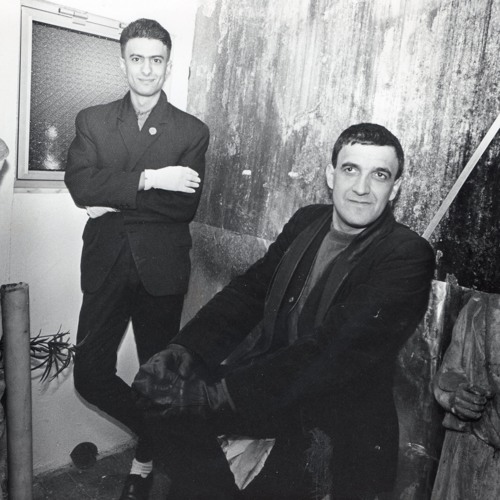
Telectu was founded in 1982 by Vítor Rua and Jorge Lima Barreto: a duo, a laboratory and a listening machine with no fixed border.
Its music joined structured improvisation, electronics, prepared instruments, electric guitar, keyboards, sampling, multimedia and theoretical inquiry. Rather than settle into a genre, Telectu repeatedly changed its own grammar.
Across nearly three decades the group gave hundreds of concerts in Portugal and throughout Europe, the United States, the former Soviet Union, China, Macau, Hong Kong and Cuba. Its encounters included Elliott Sharp, Chris Cutler, Jac Berrocal, Louis Sclavis and Daniel Kientzy, among many others.
After Jorge Lima Barreto’s death in 2011, Telectu did not become a closed monument. Its archive and experimental impulse continued through editions, performances and new collaborations, including work with Ilda Teresa Castro.
SELECTED DISCOGRAPHYEighteen records refuse
Eighteen records refuse
to stand in a straight line.
- Ctu Telectu (1982)
- Belzebu (1983)
- Off-Off (1984)
- Performance (1984)
- Telefone — Live Moscow (1985)
- Fundação (1985)
- Rosa-Cruz (1985)
- Halley (1986)
- Evil Metal — with Elliott Sharp (1991)
- Oh! Pazuzu (1992)
- Theremin Tao (1993)
- Biombos — live Beijing, Macau and Hong Kong (1993)
- Telectu / Cutler / Berrocal (1995)
- À Lagardère — with Jac Berrocal (1996)
- Prélude, Rapsodies & Coda — with Daniel Kientzy (1998)
- Jazz-Off / Multimedia — with Louis Sclavis and Jac Berrocal (1998)
- Solos (1999)
- Kientzy / Telectu — Acústica Amorosa (2002)
03 / VISUAL ARTThe line leaves the sound
The line leaves the sound
and learns to walk.
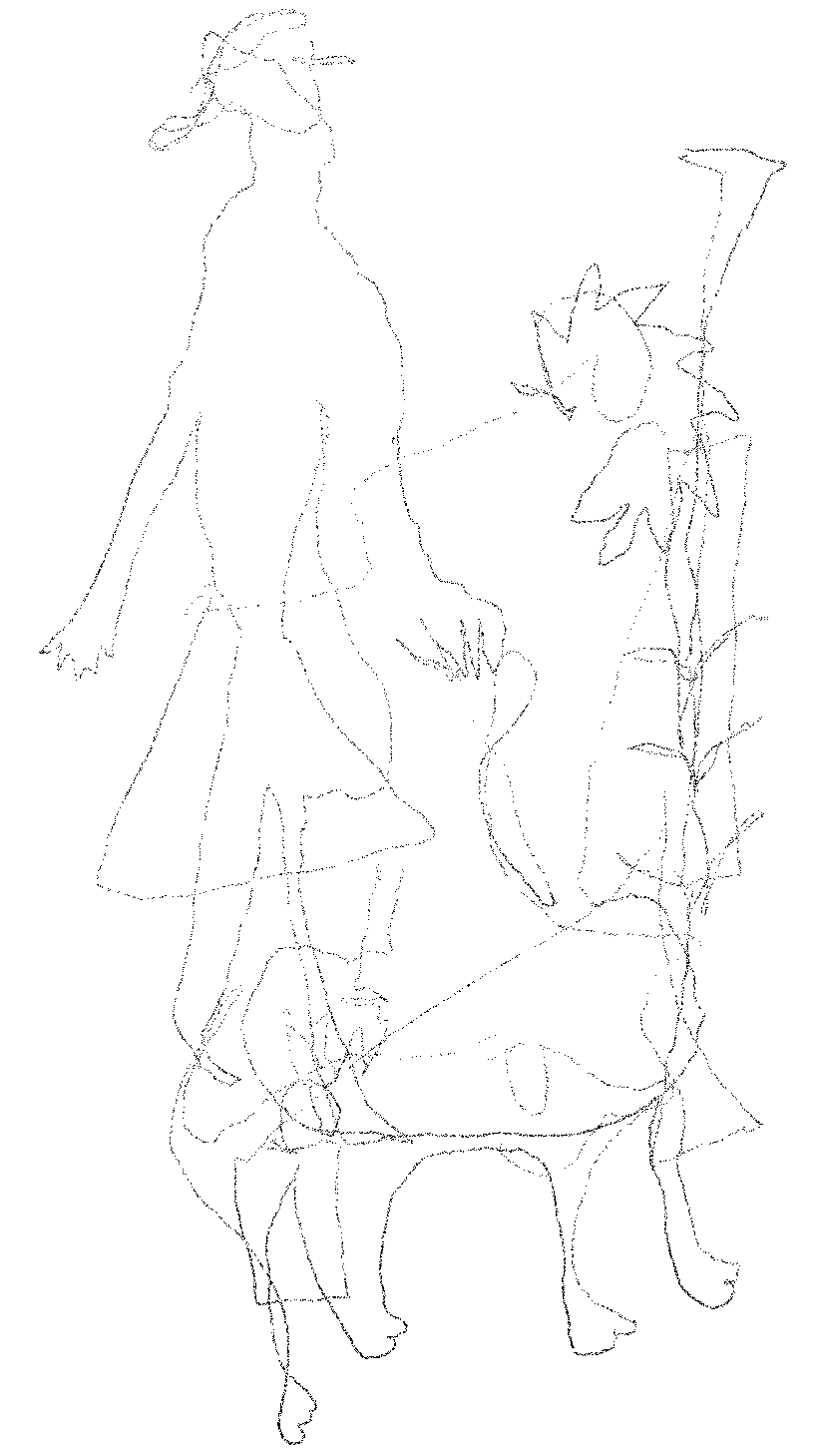
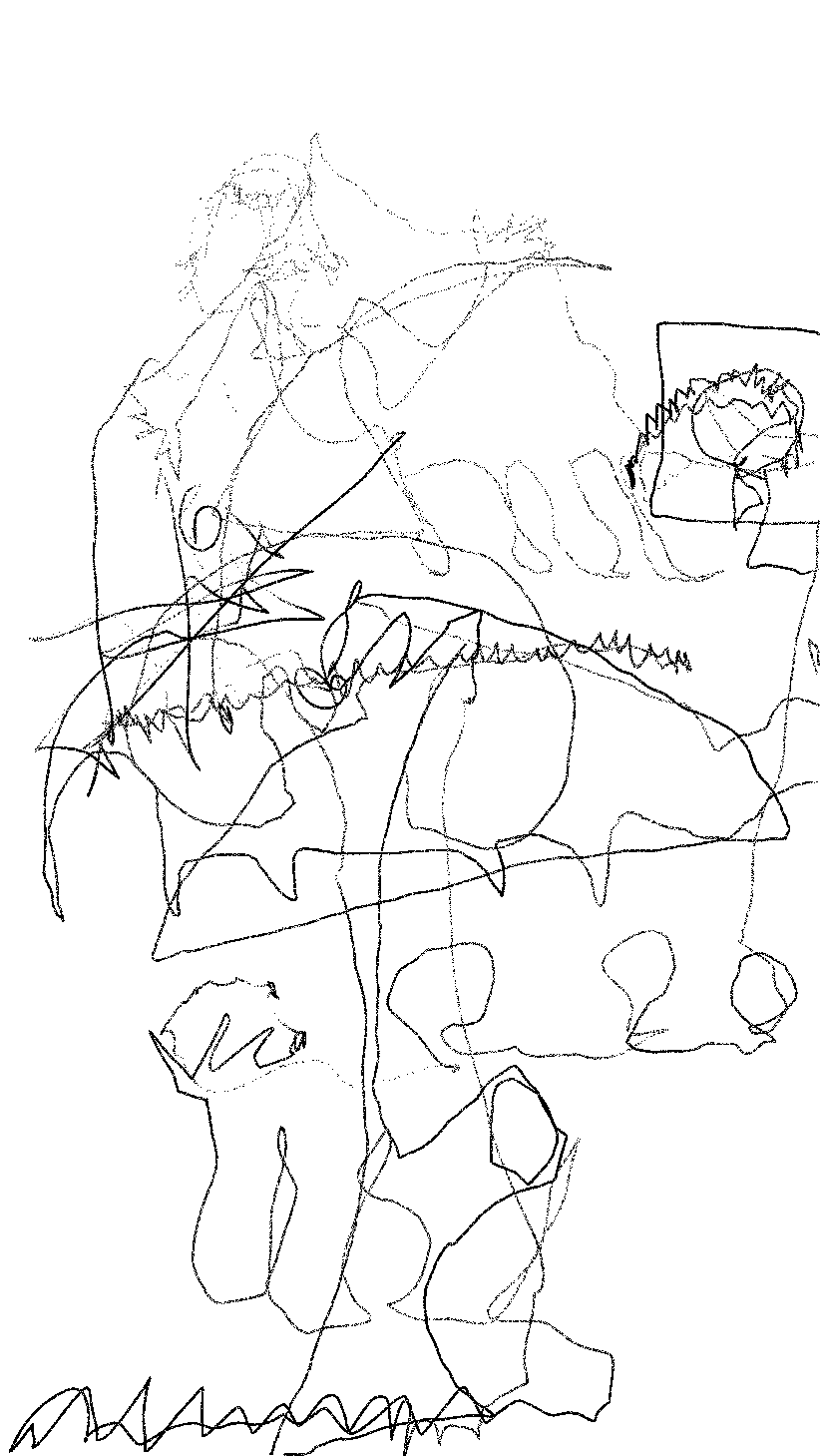
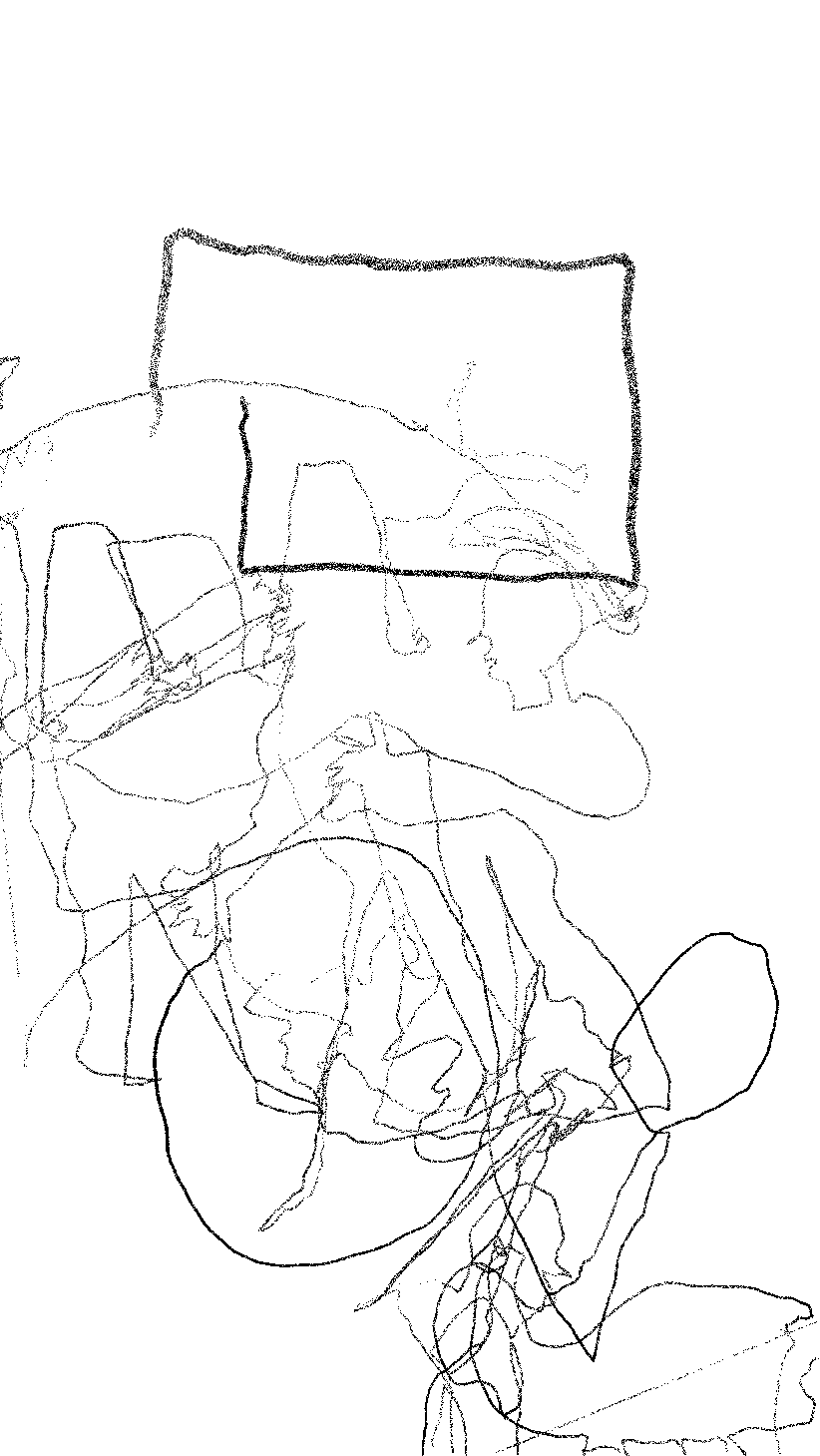
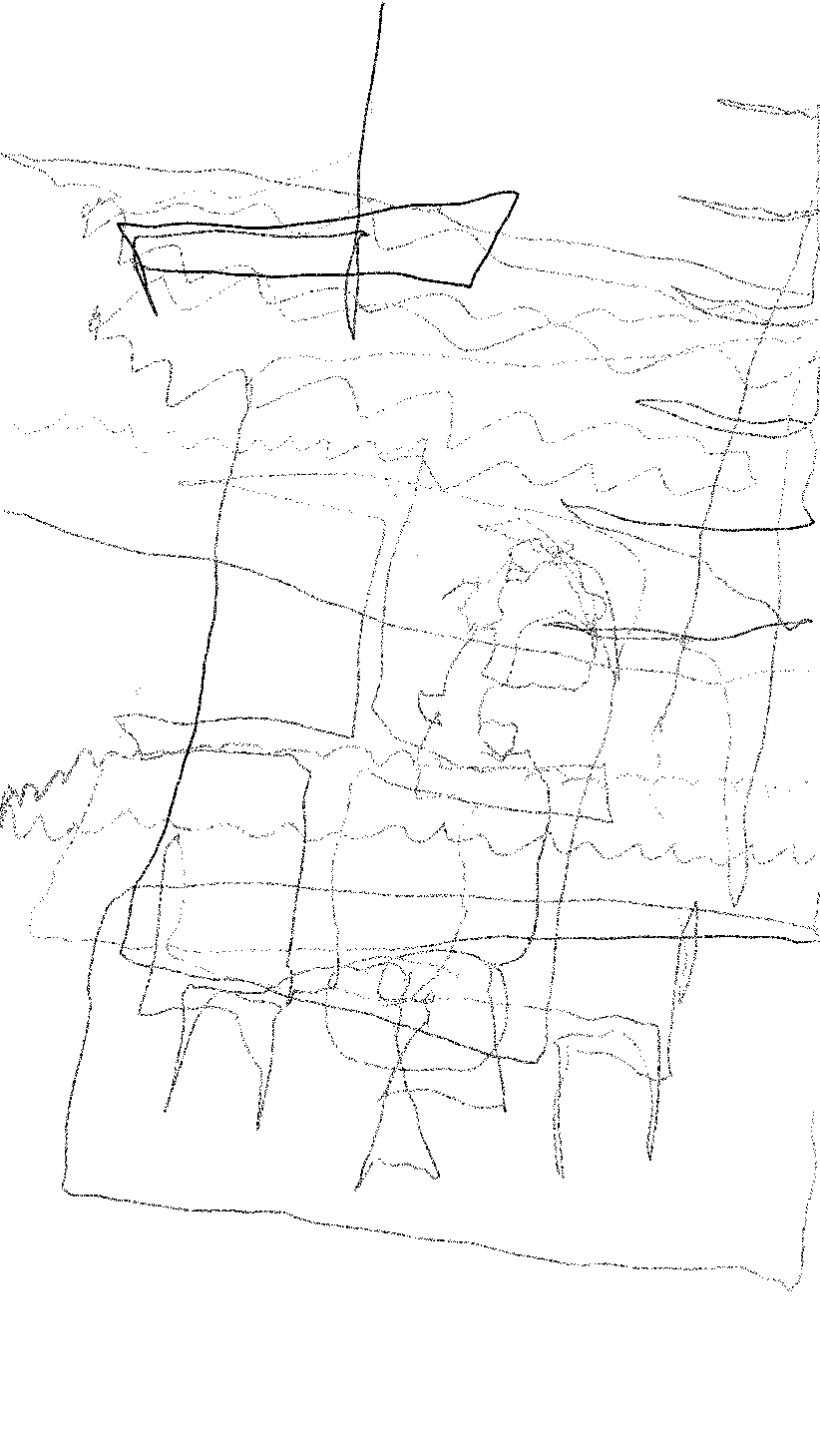
Vítor Rua’s paintings, drawings, collages, objects, sculptures and artist’s editions are not an appendix to the music. They are another entrance into the same unruly universe.
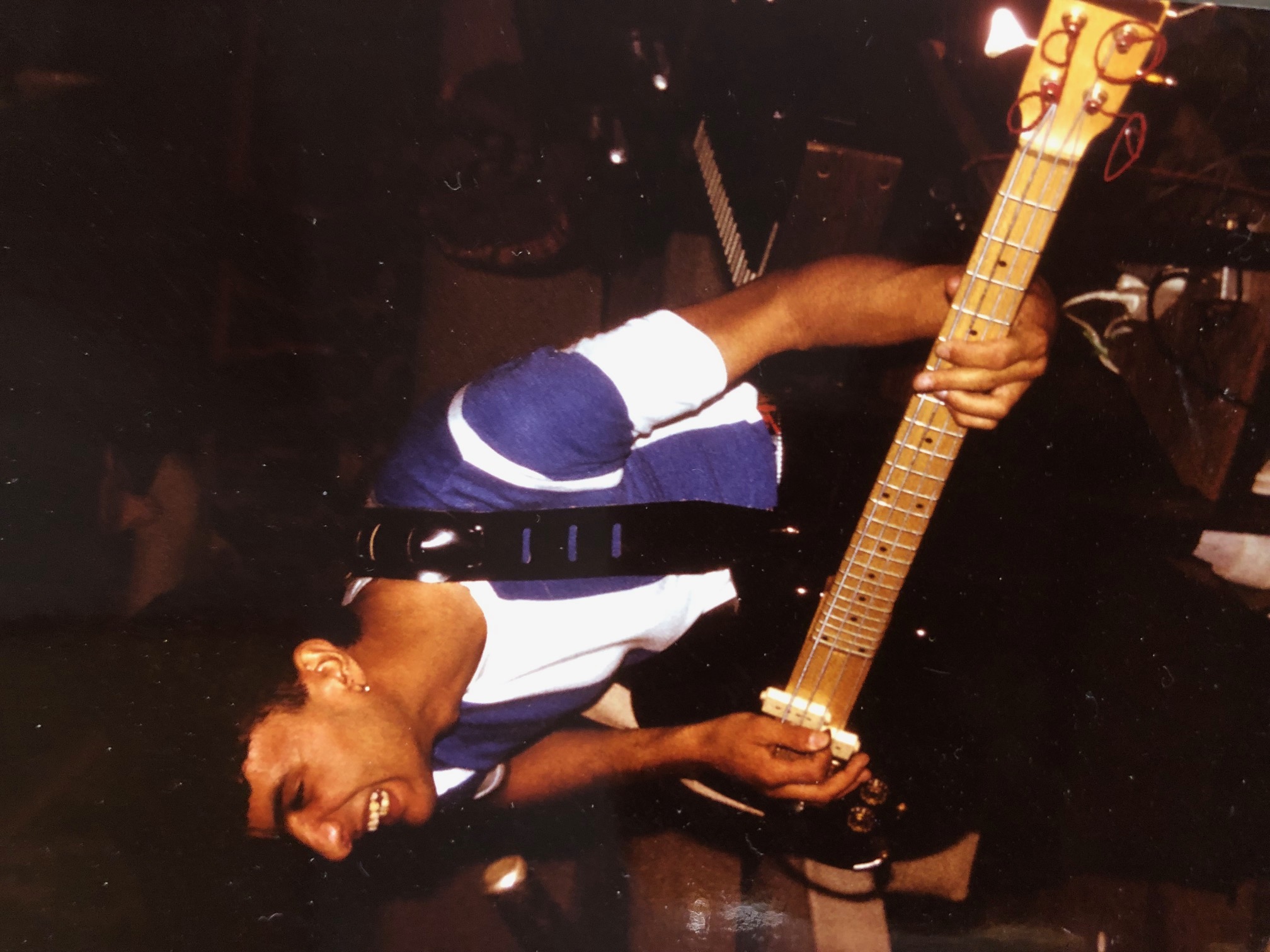
PICTOGRAFIAS NOCTURNASAt night, the line forgets
At night, the line forgets
what it was meant to describe.
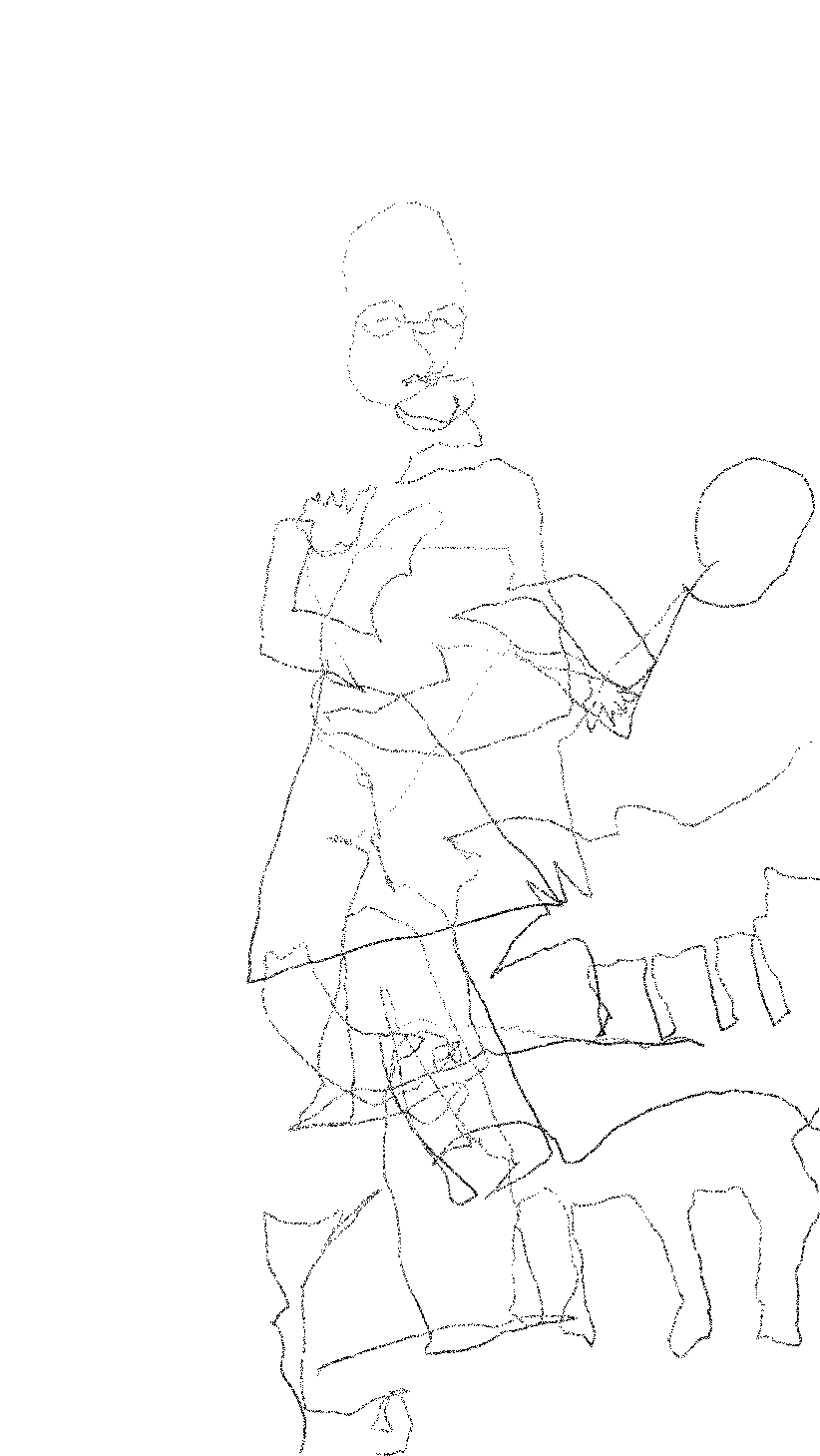
Twenty-eight unique pages. Click any drawing to see it whole.
 NOCTURNAL PICTOGRAPH 18
 NOCTURNAL PICTOGRAPH 19
 NOCTURNAL PICTOGRAPH 20
 NOCTURNAL PICTOGRAPH 21
 NOCTURNAL PICTOGRAPH 22
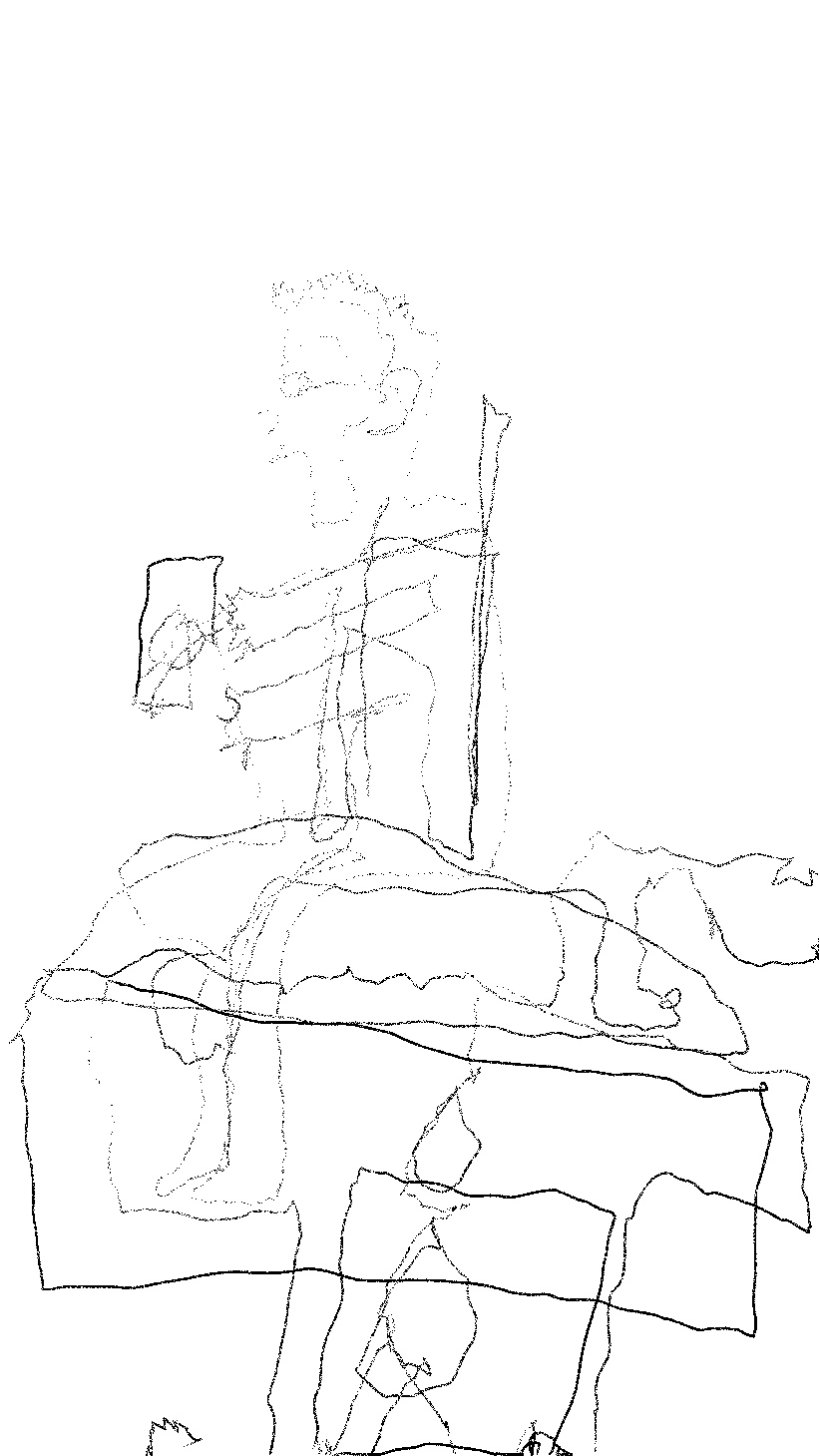 NOCTURNAL PICTOGRAPH 23
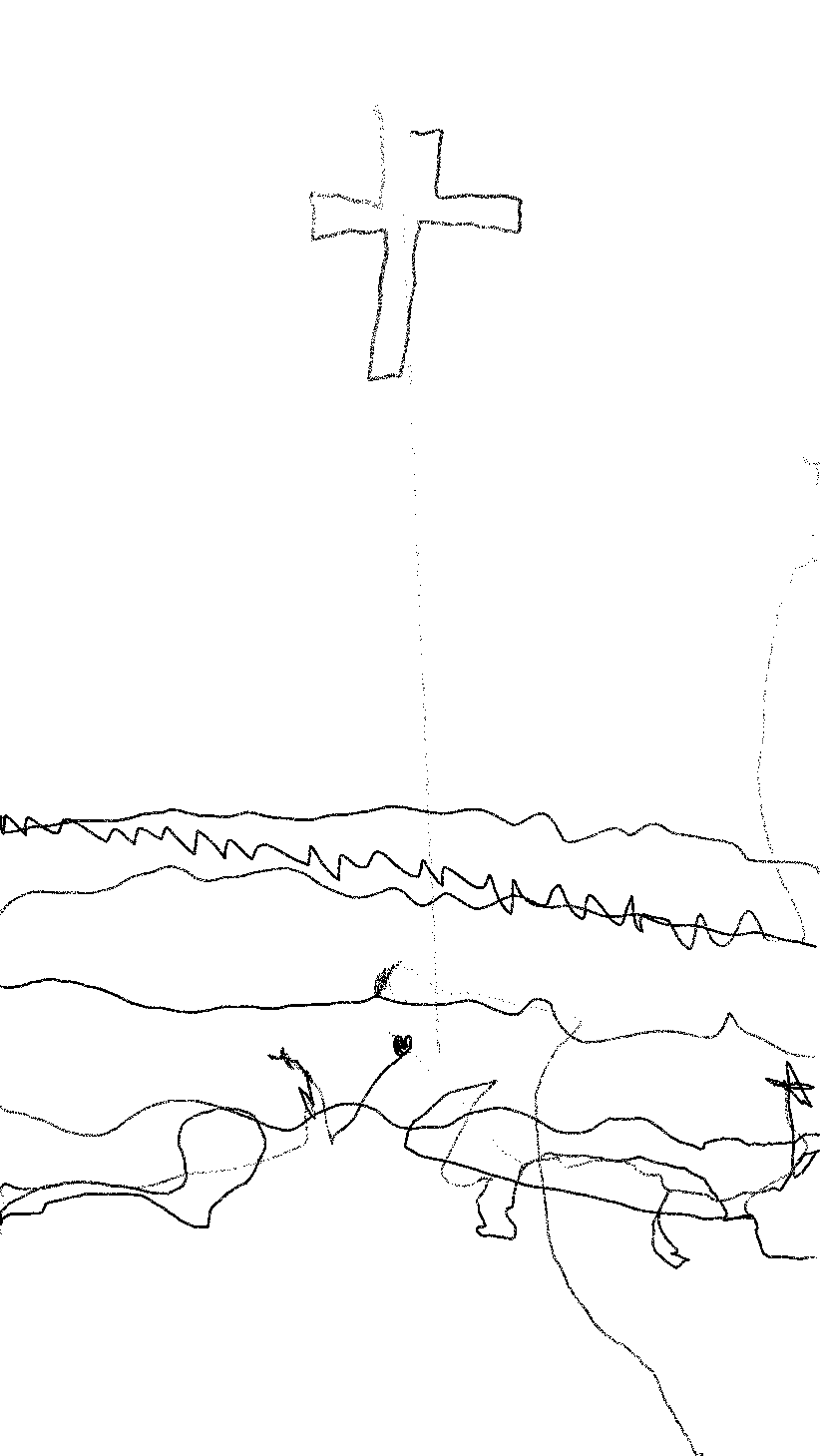 NOCTURNAL PICTOGRAPH 24
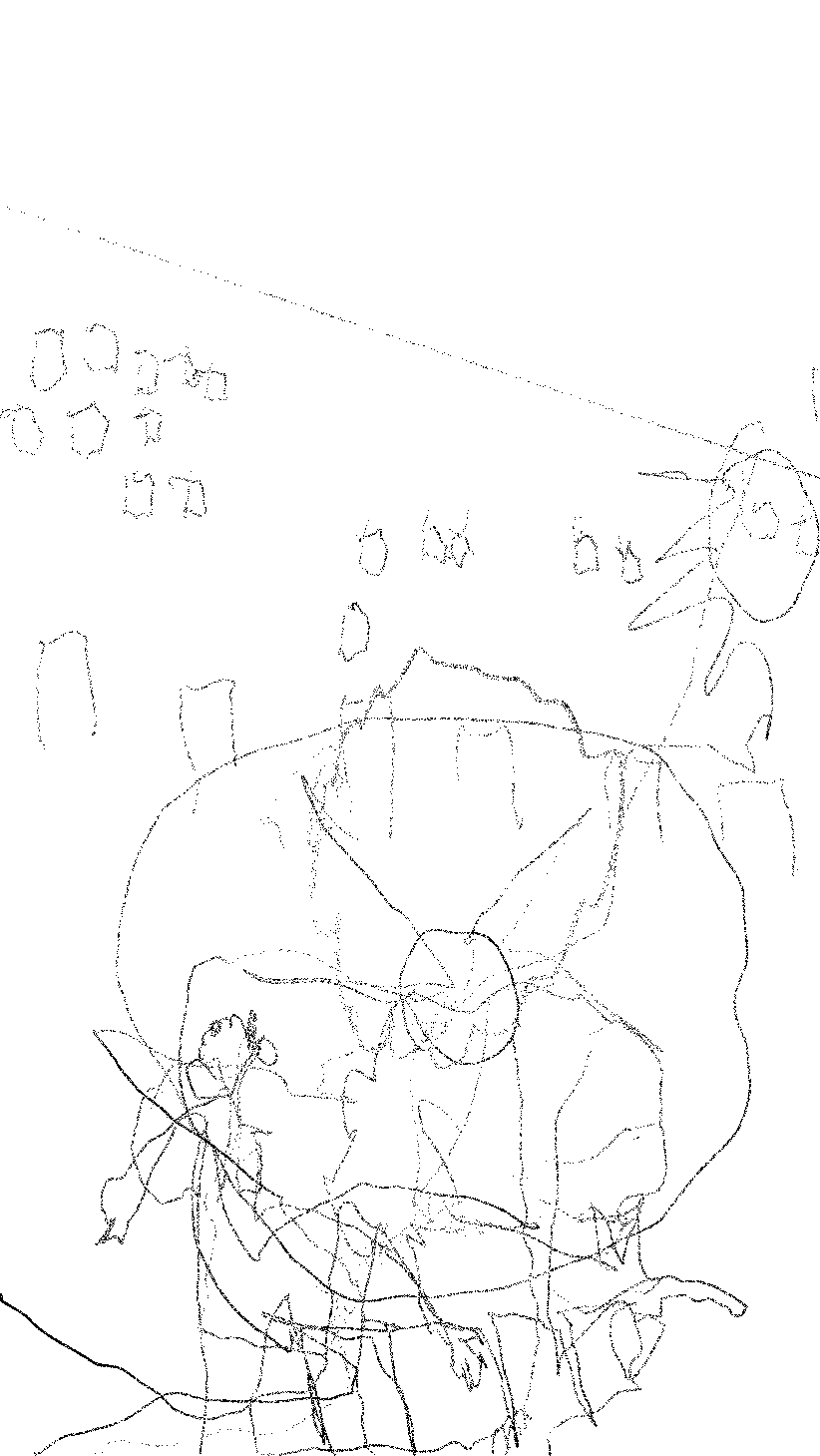 NOCTURNAL PICTOGRAPH 25
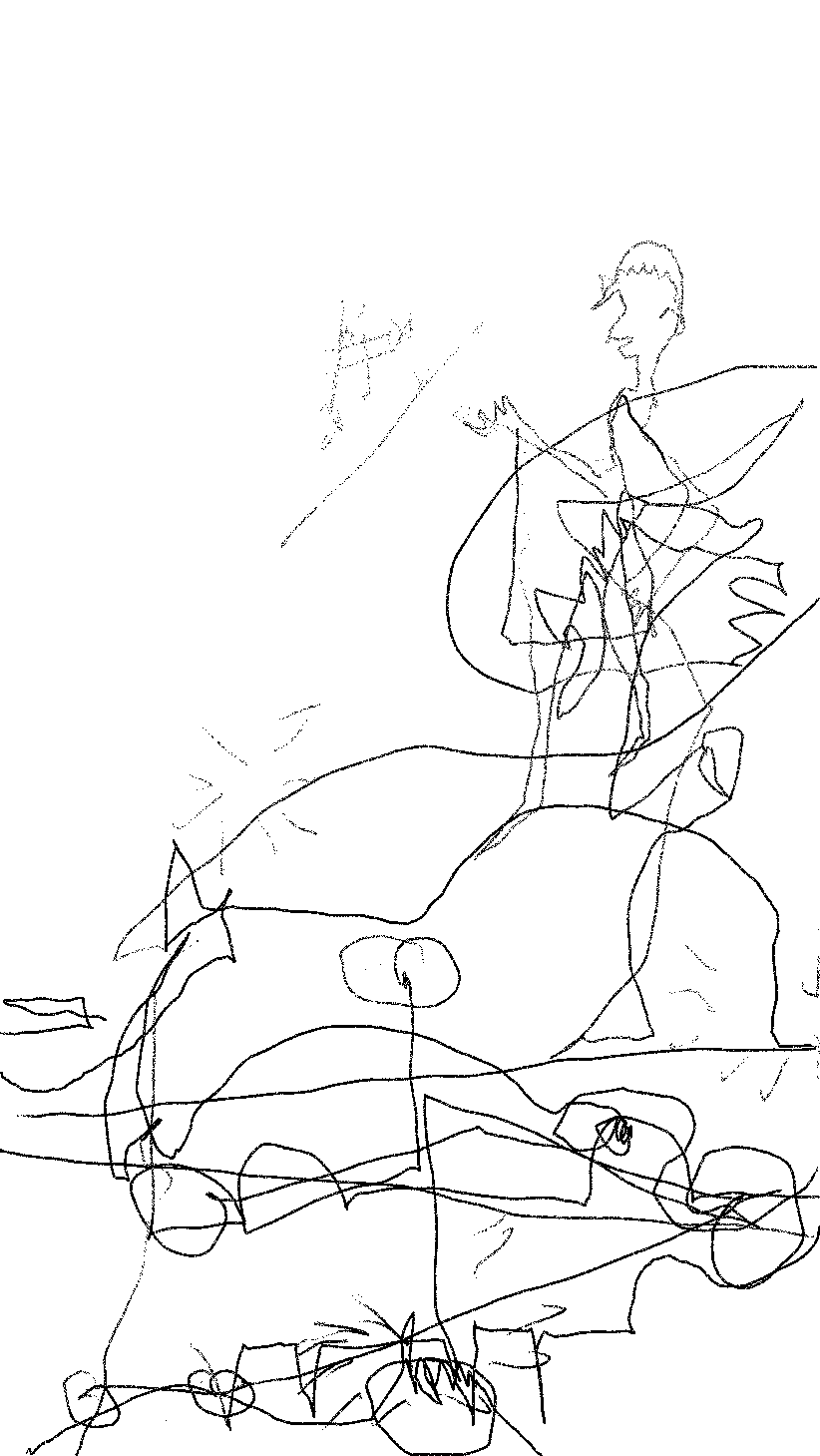 NOCTURNAL PICTOGRAPH 26
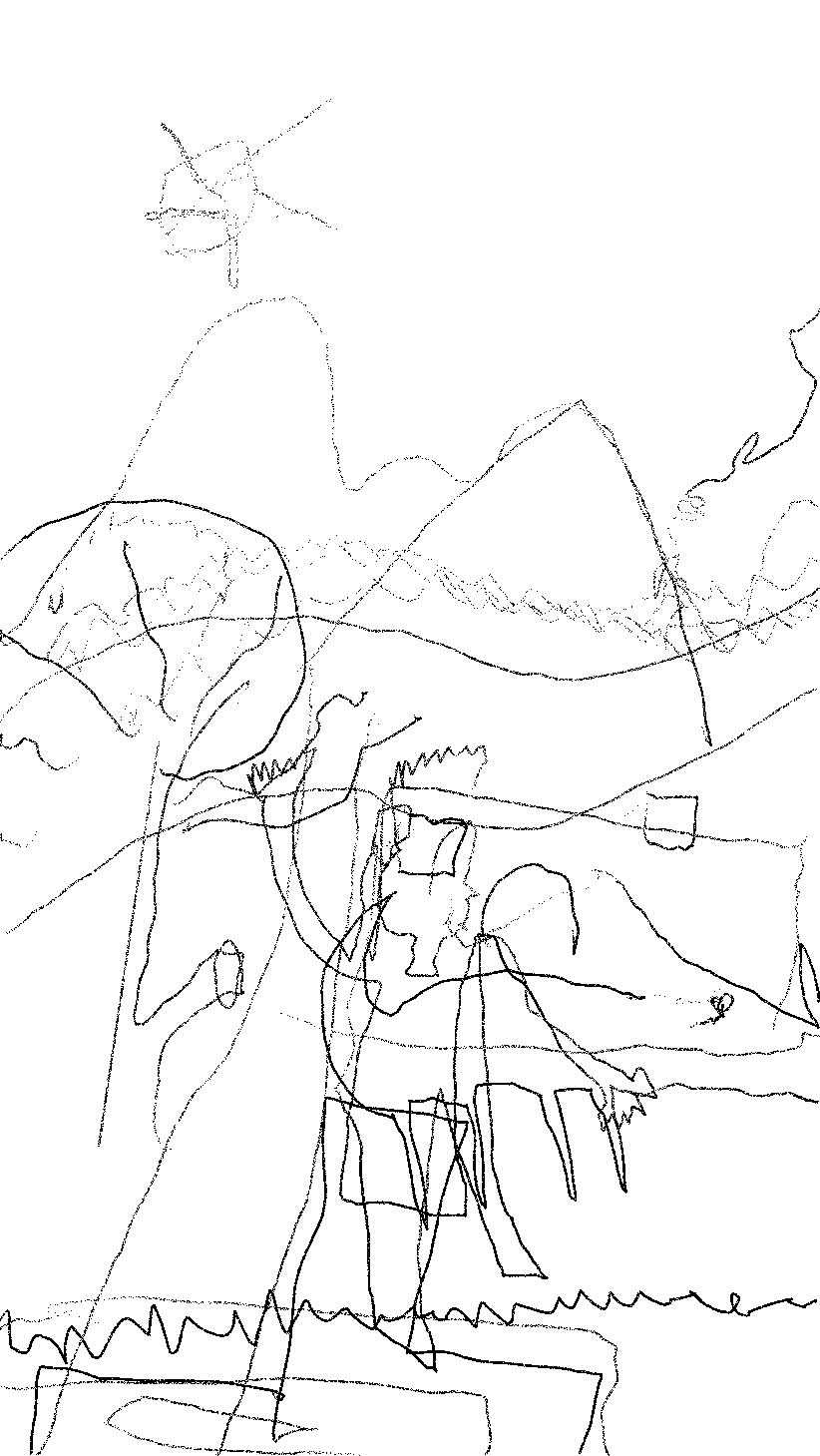 NOCTURNAL PICTOGRAPH 27
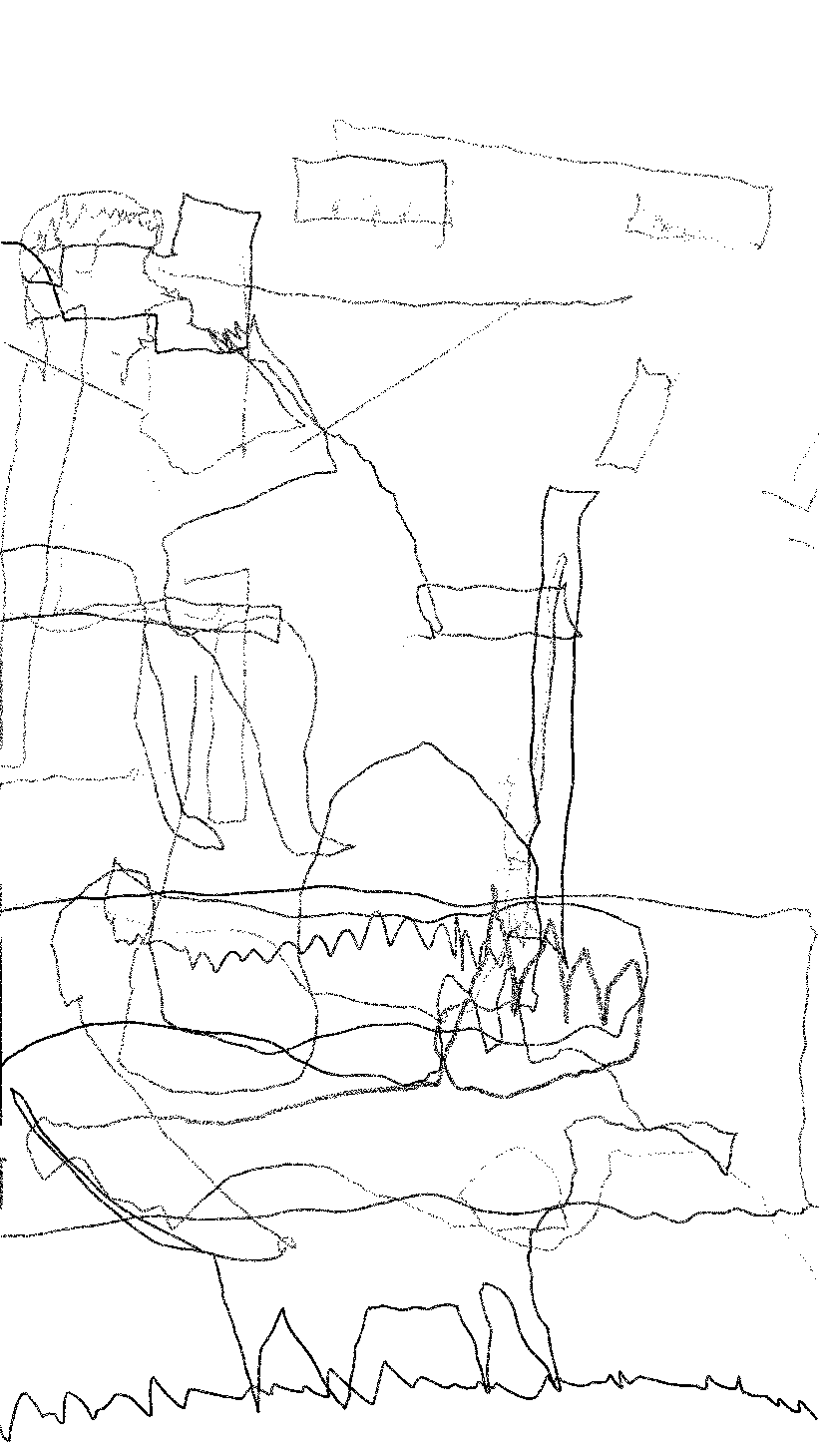 NOCTURNAL PICTOGRAPH 28
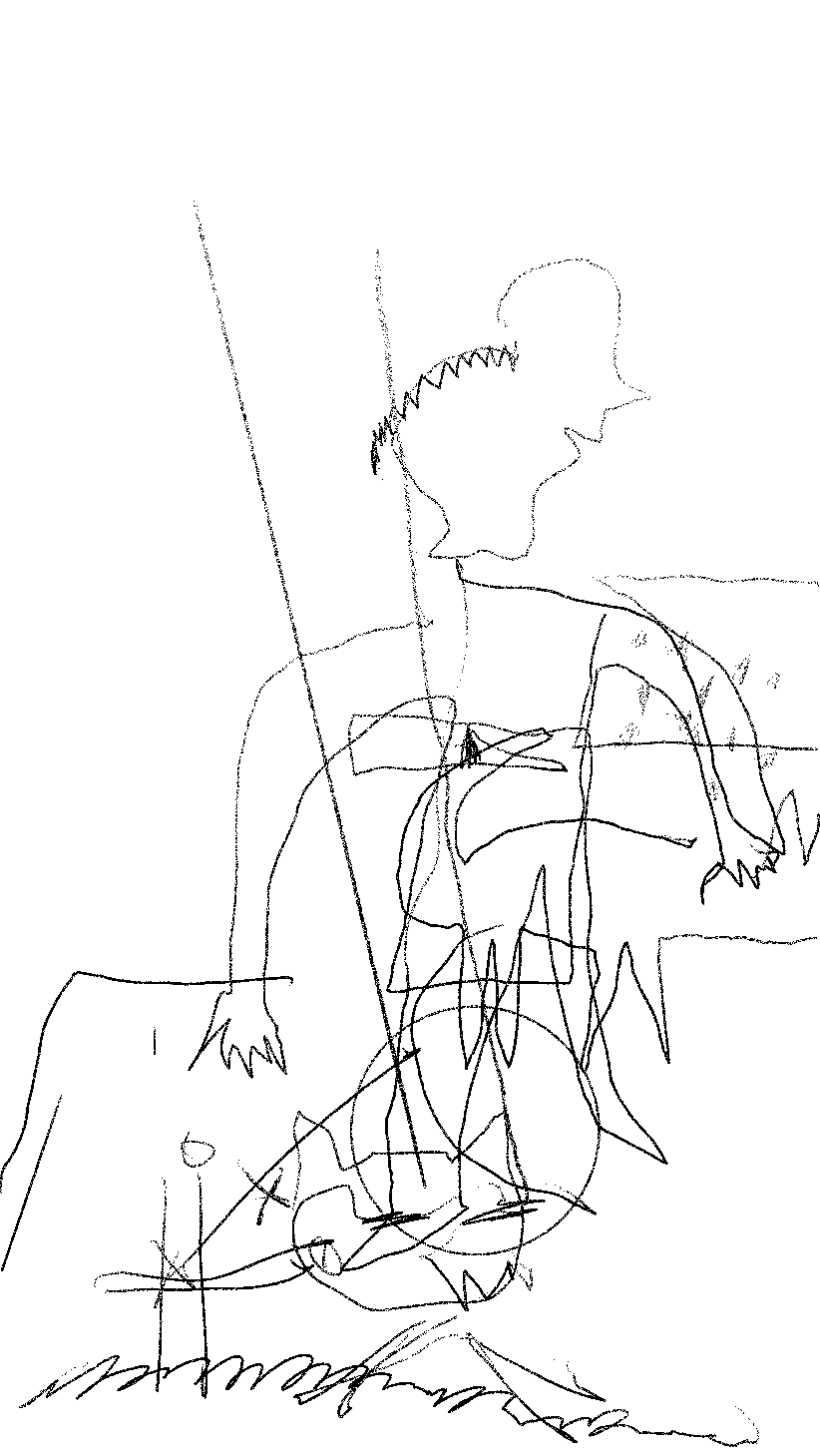 NOCTURNAL PICTOGRAPH 29
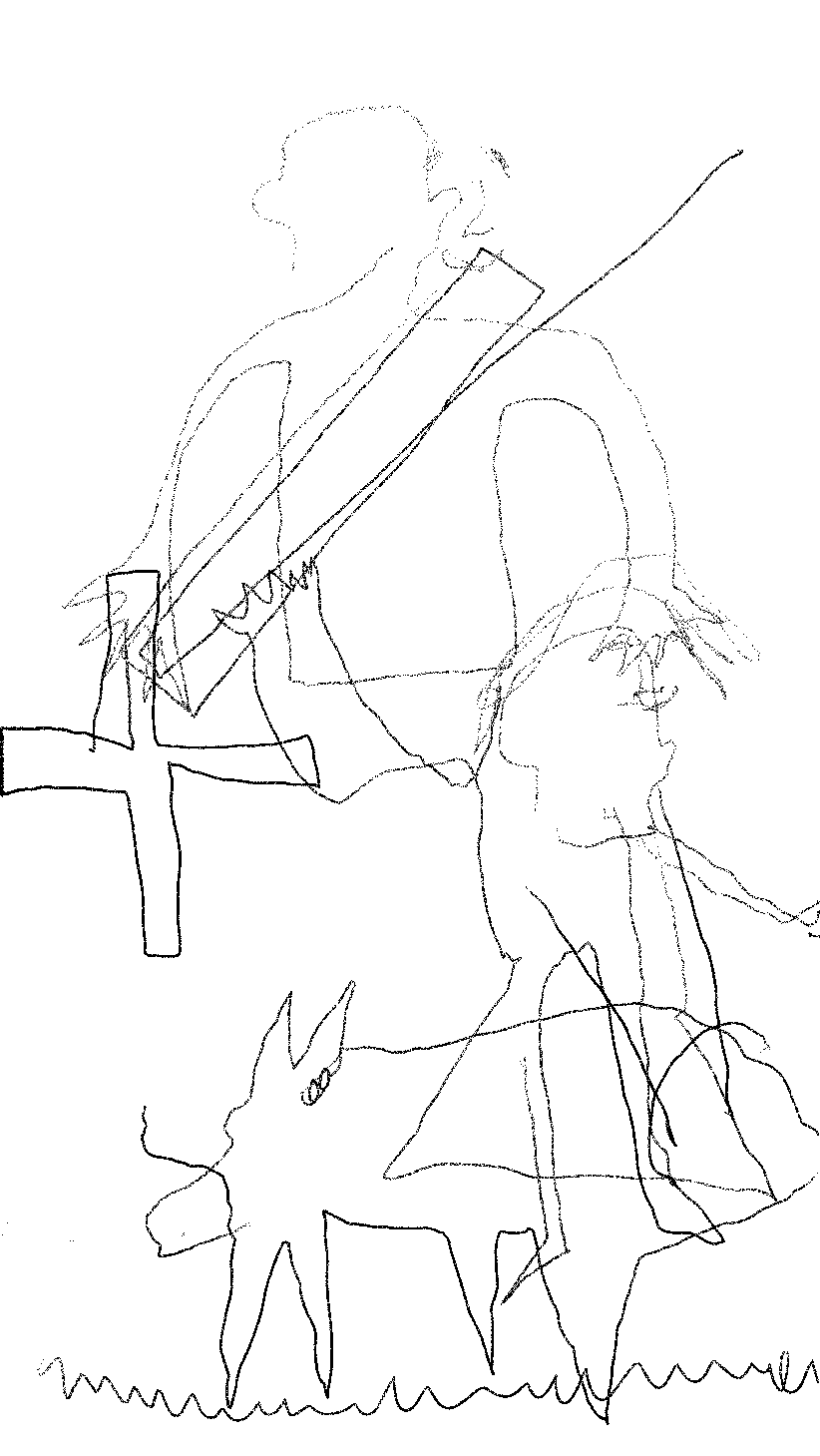 NOCTURNAL PICTOGRAPH 30
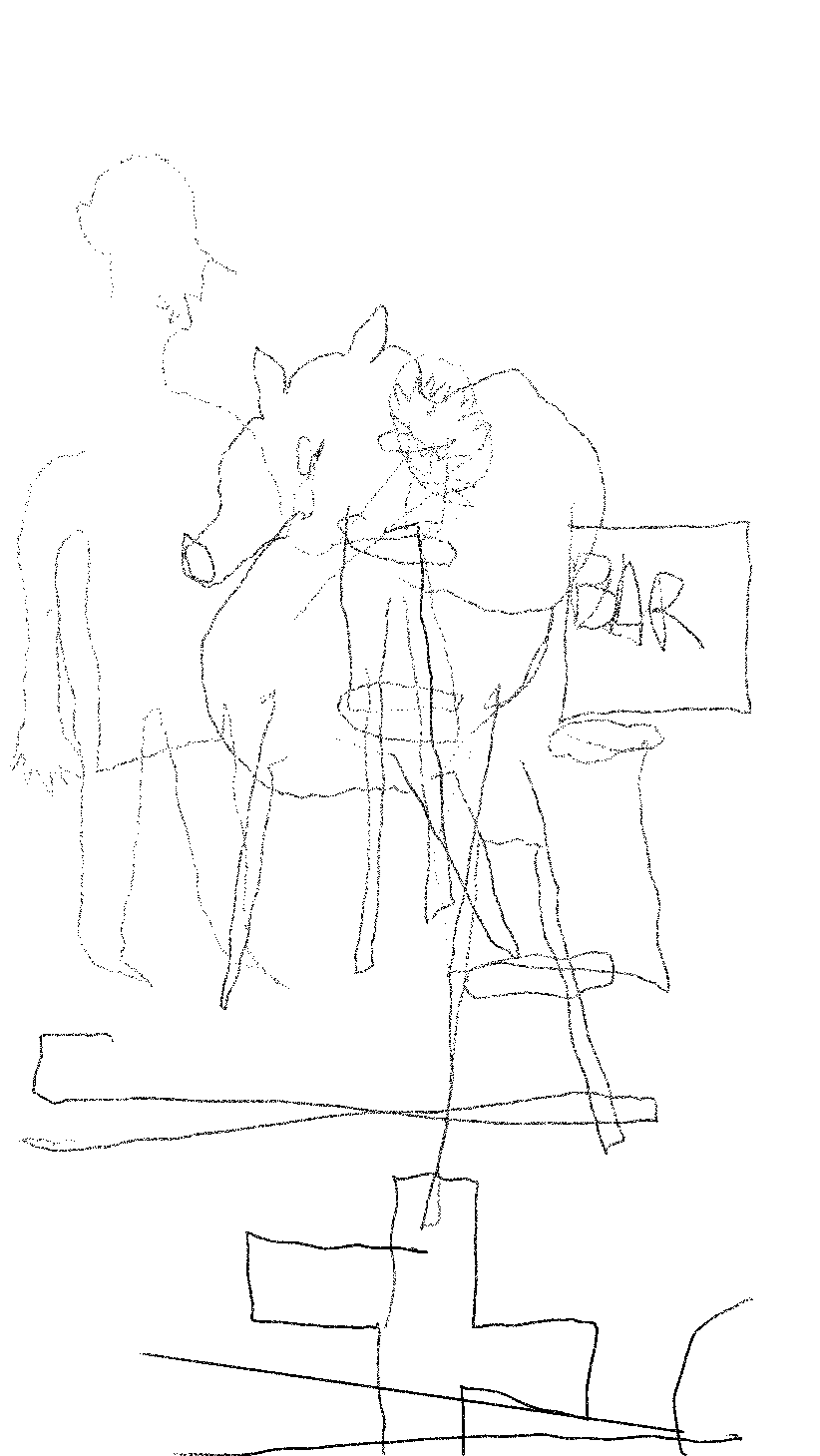 NOCTURNAL PICTOGRAPH 31
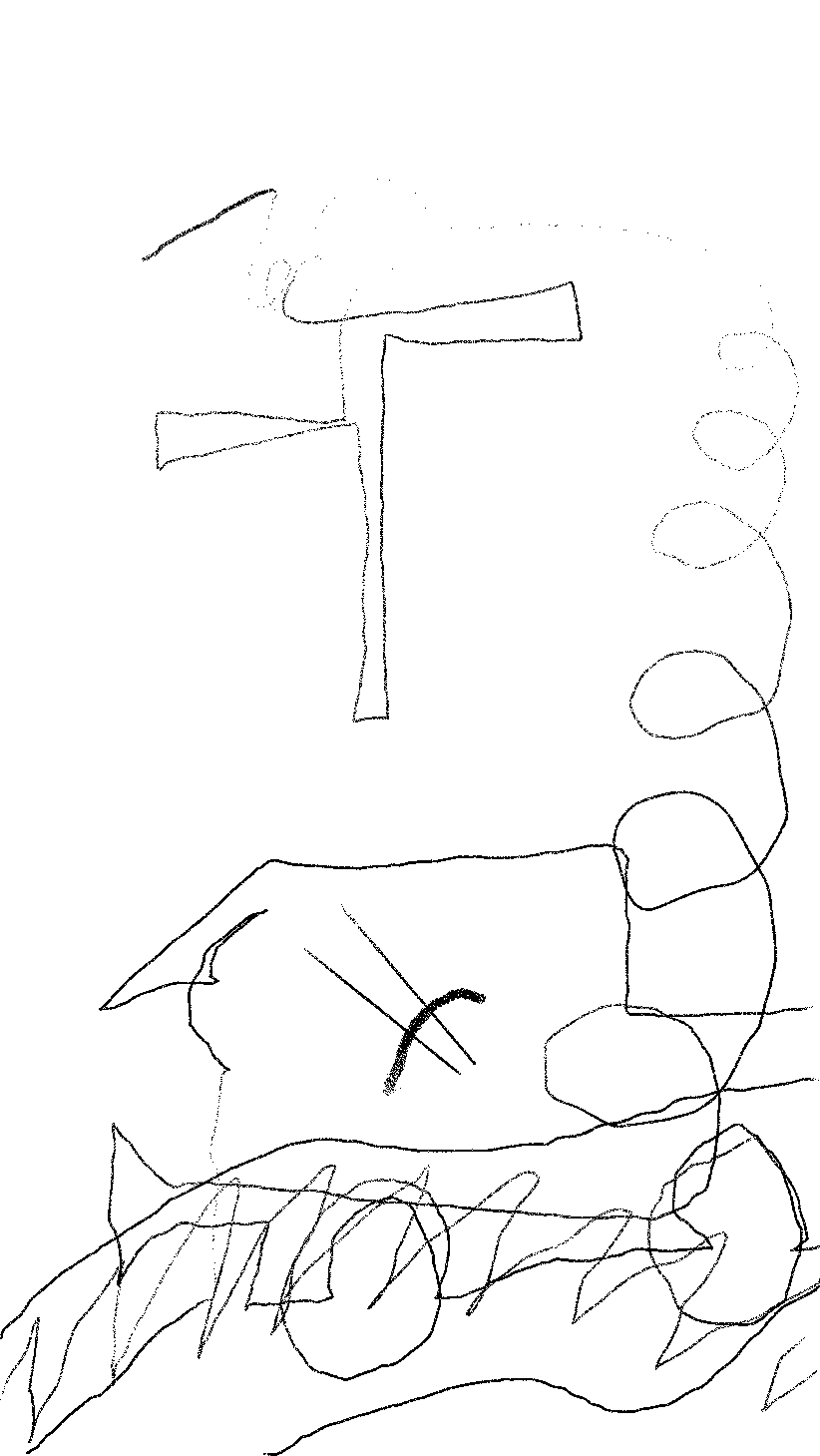 NOCTURNAL PICTOGRAPH 38
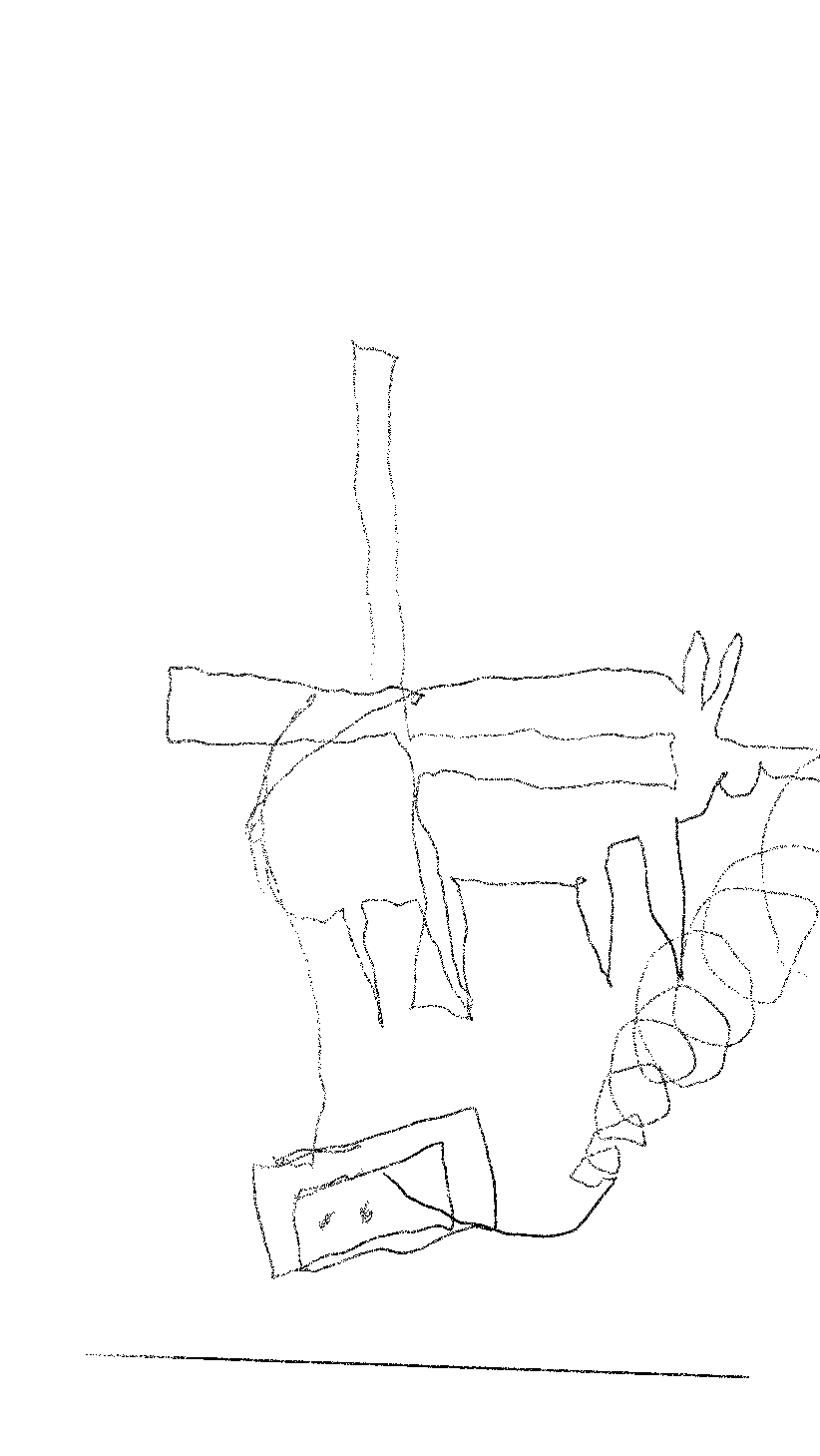 NOCTURNAL PICTOGRAPH 39
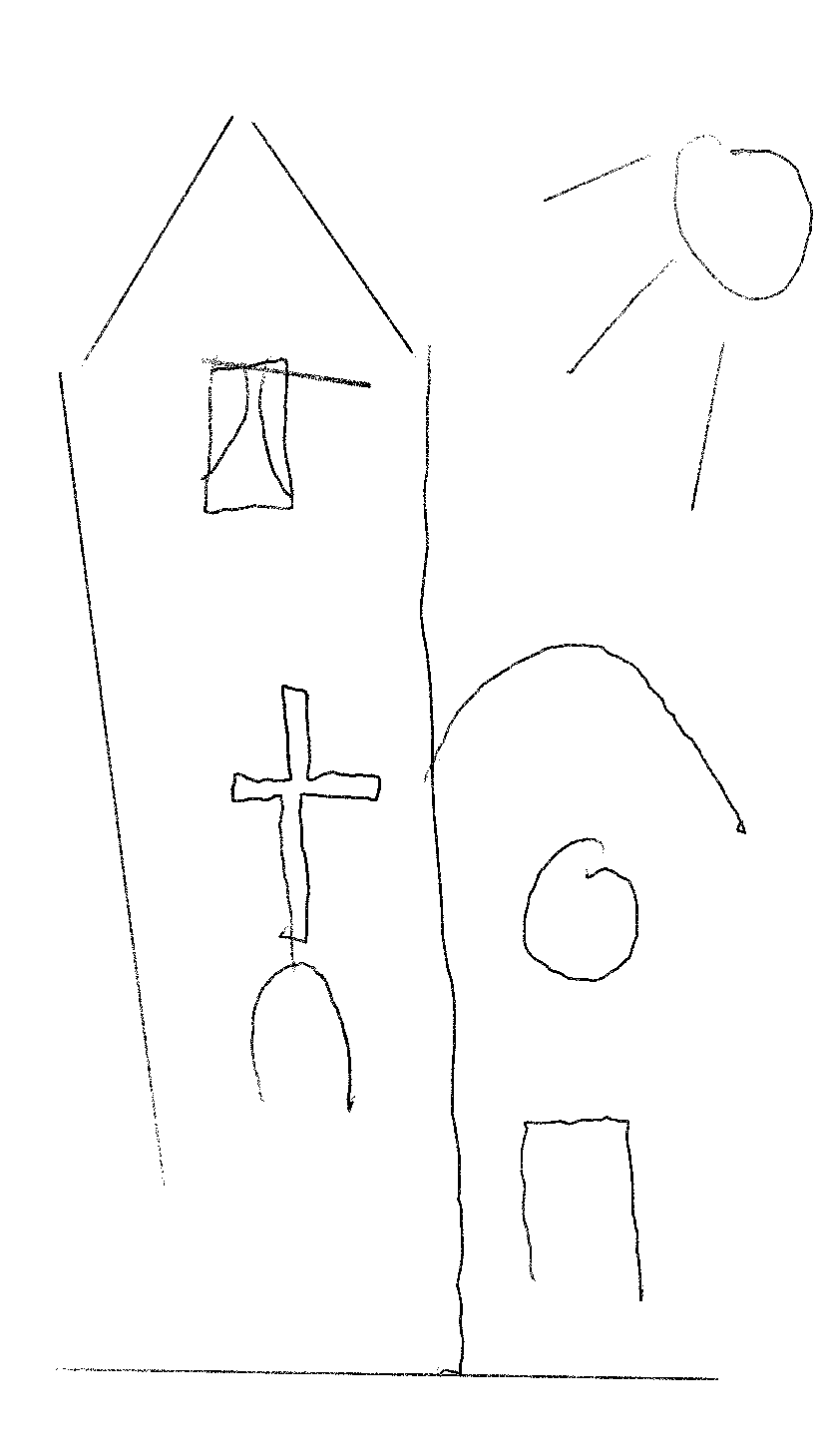 NOCTURNAL PICTOGRAPH 40
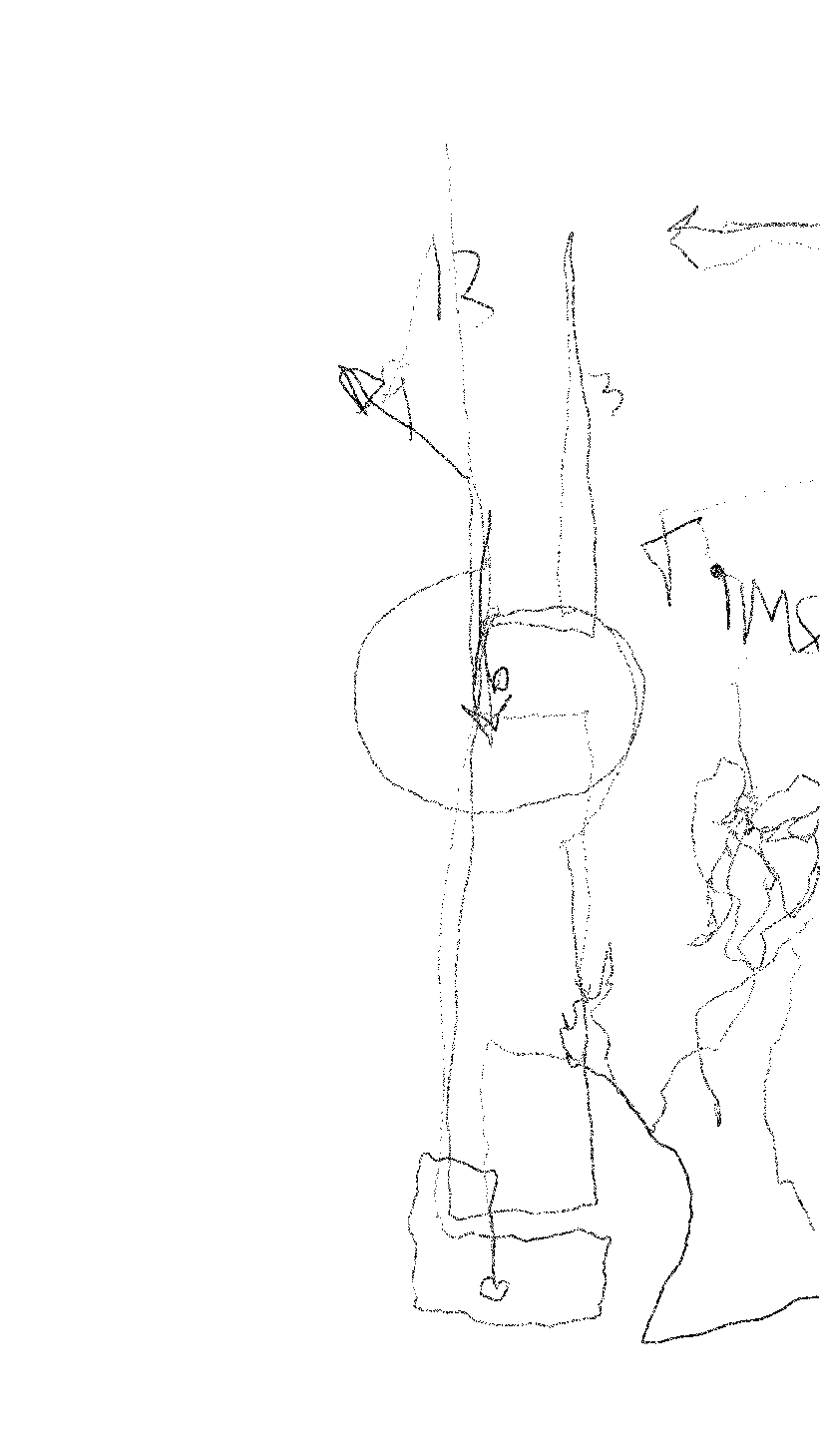 NOCTURNAL PICTOGRAPH 41
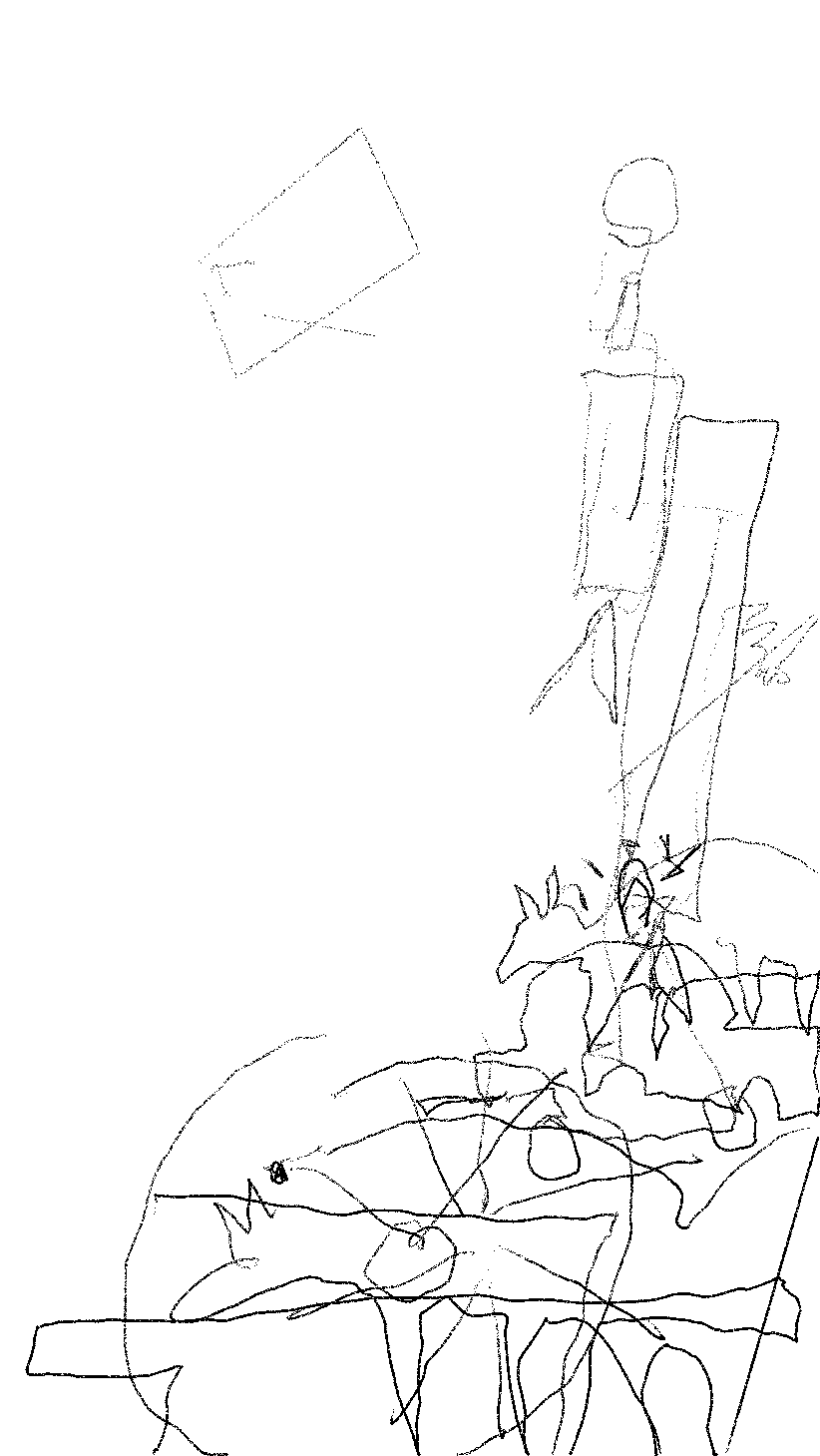 NOCTURNAL PICTOGRAPH 42
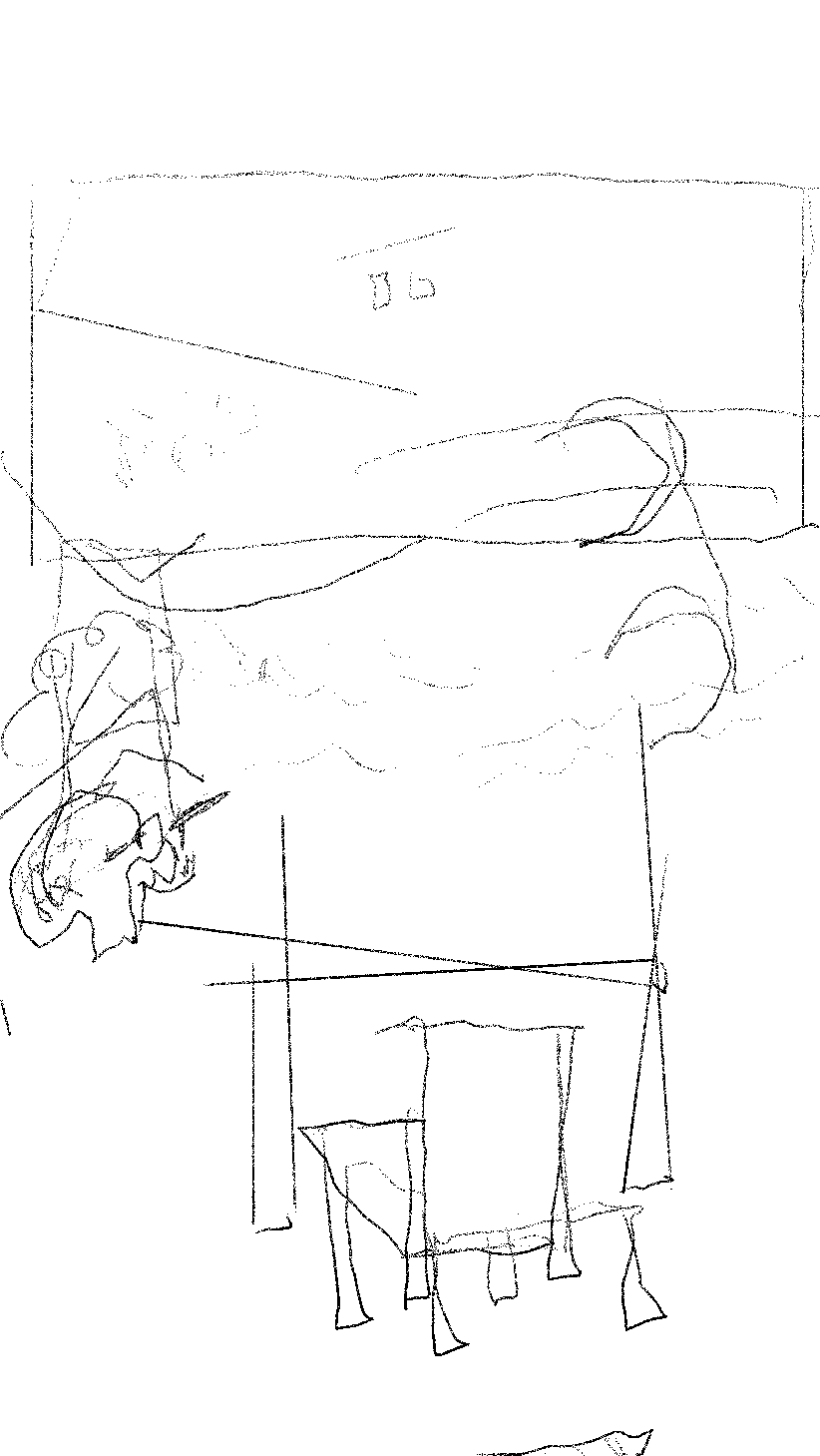 NOCTURNAL PICTOGRAPH 43
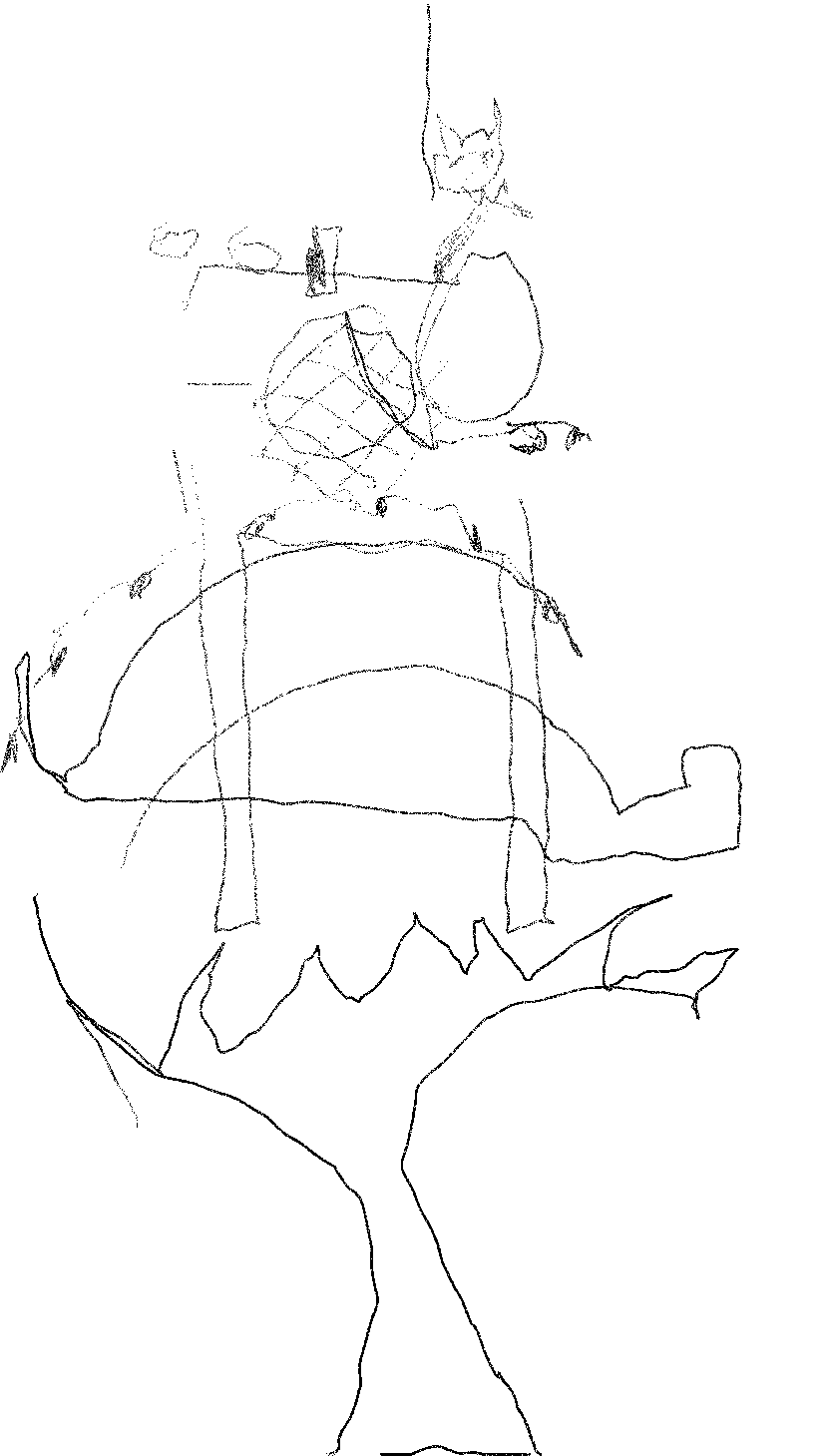 NOCTURNAL PICTOGRAPH 44
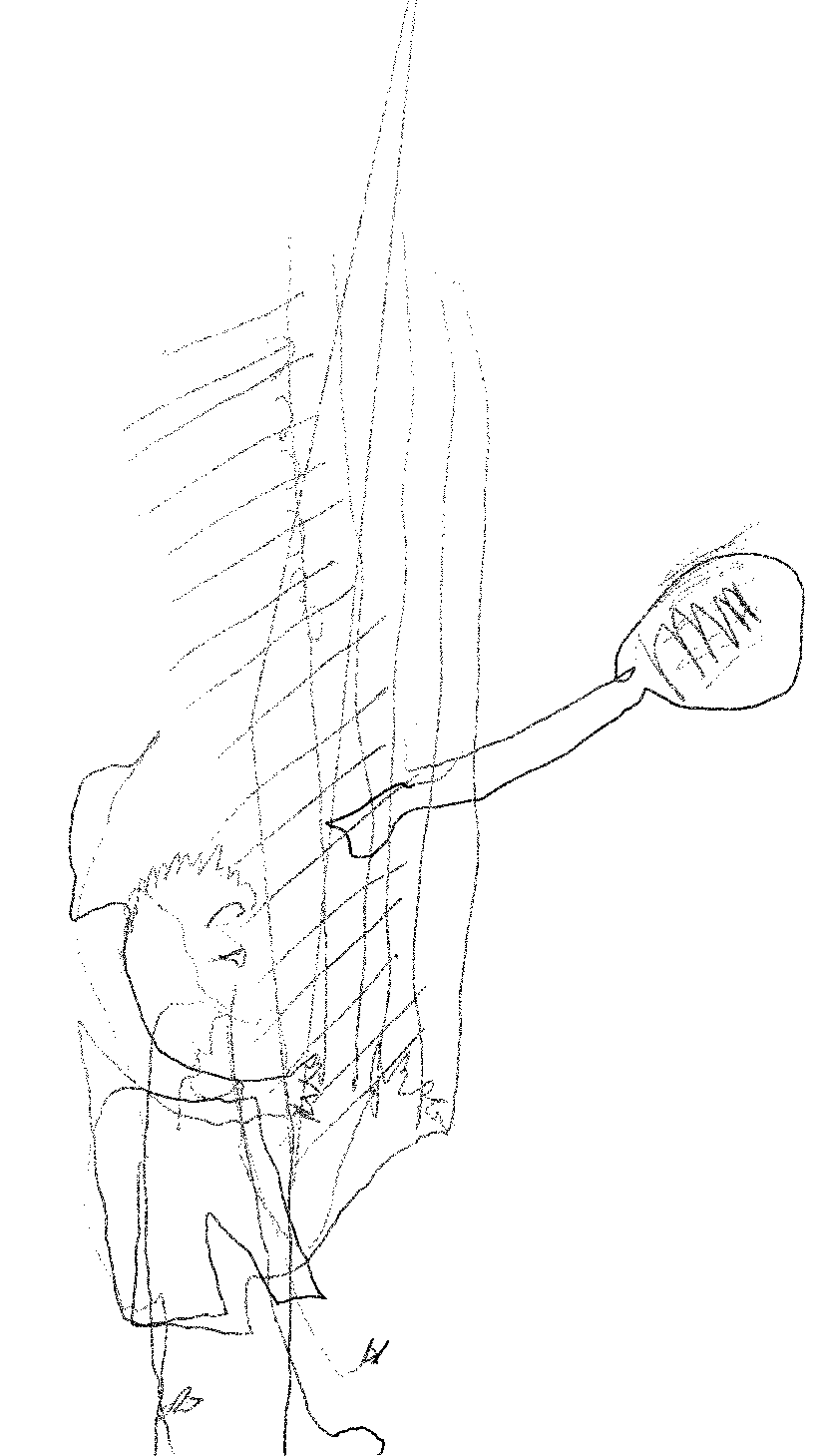 NOCTURNAL PICTOGRAPH 45
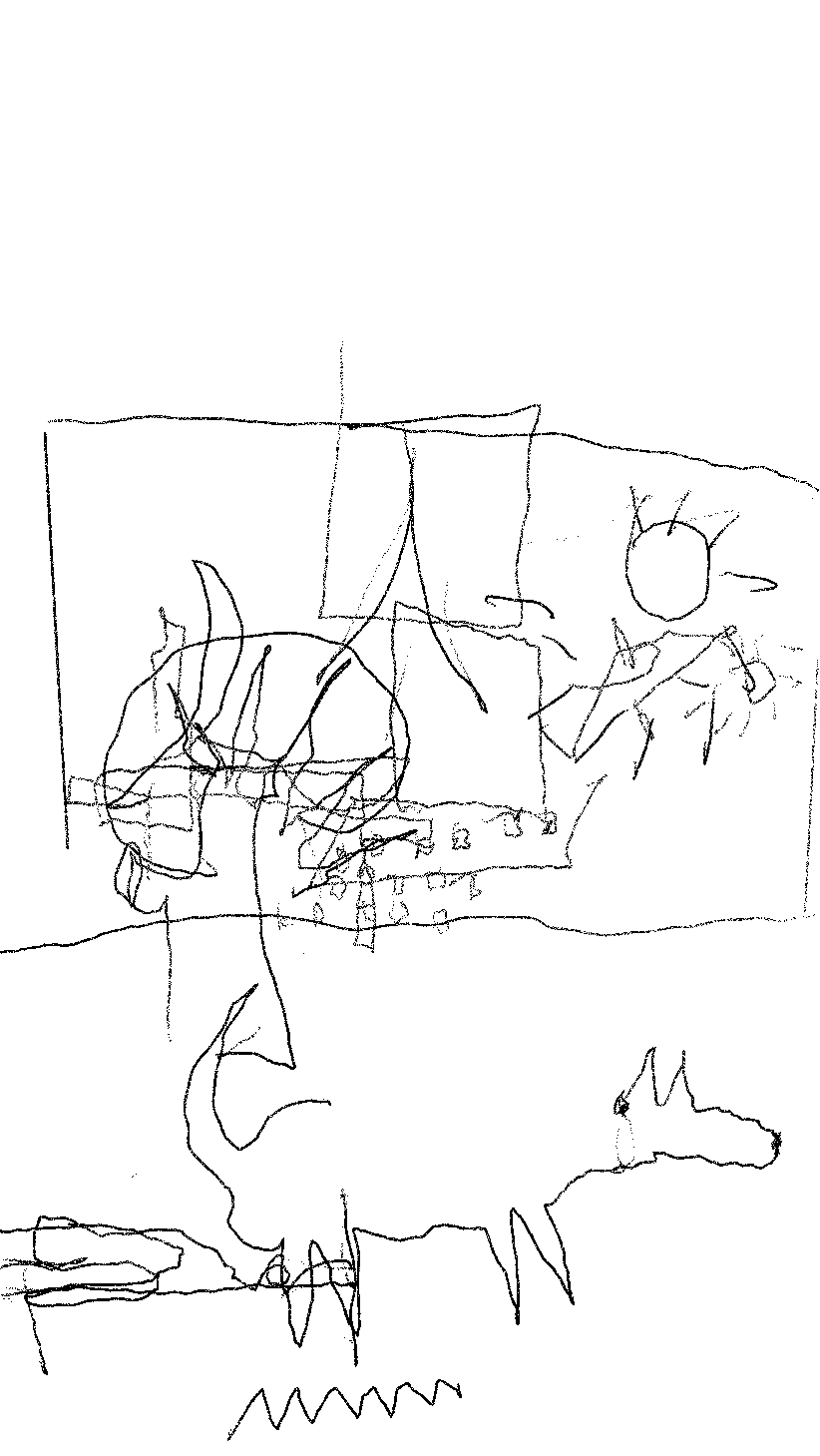 NOCTURNAL PICTOGRAPH 46
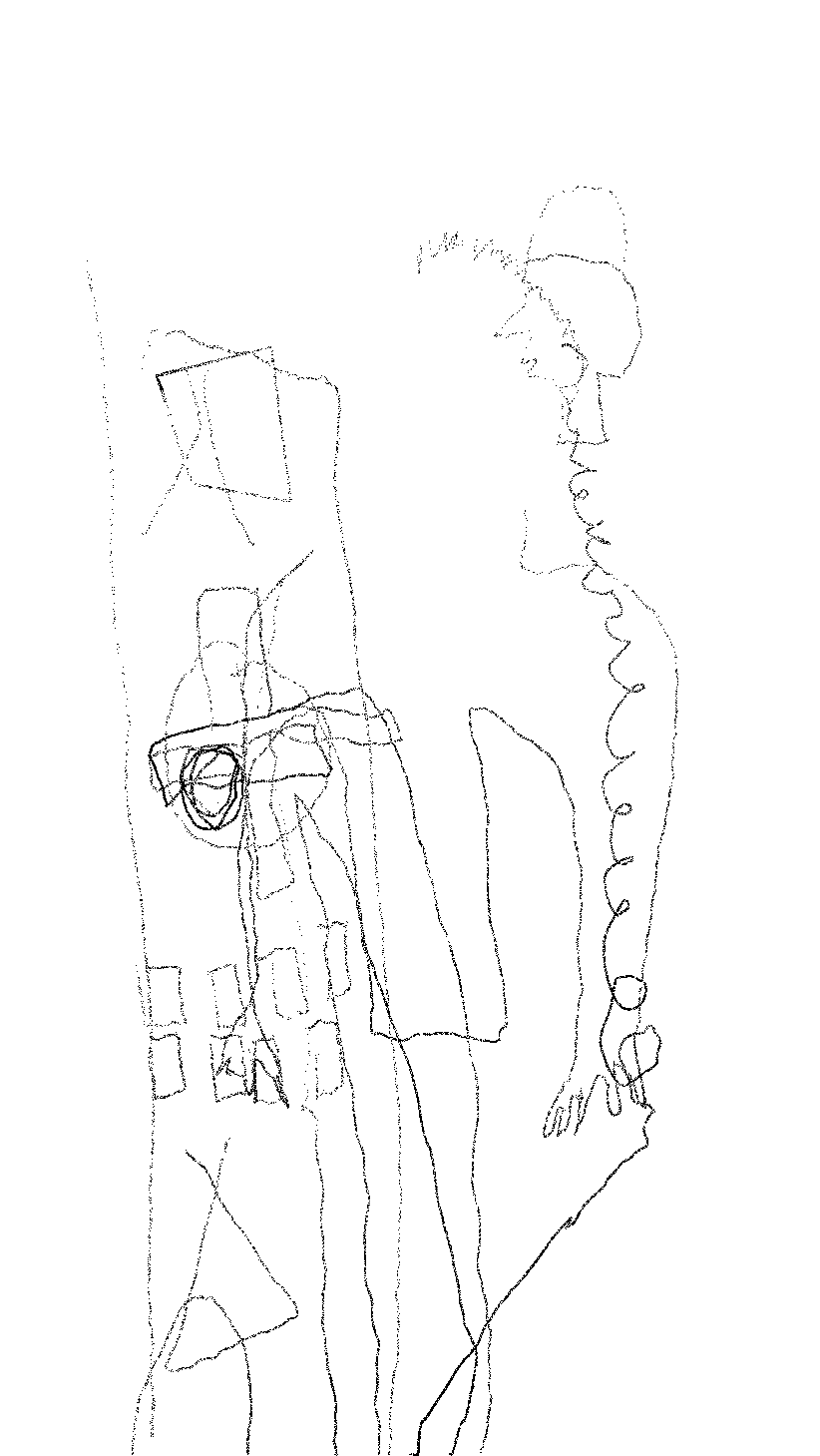 NOCTURNAL PICTOGRAPH 47
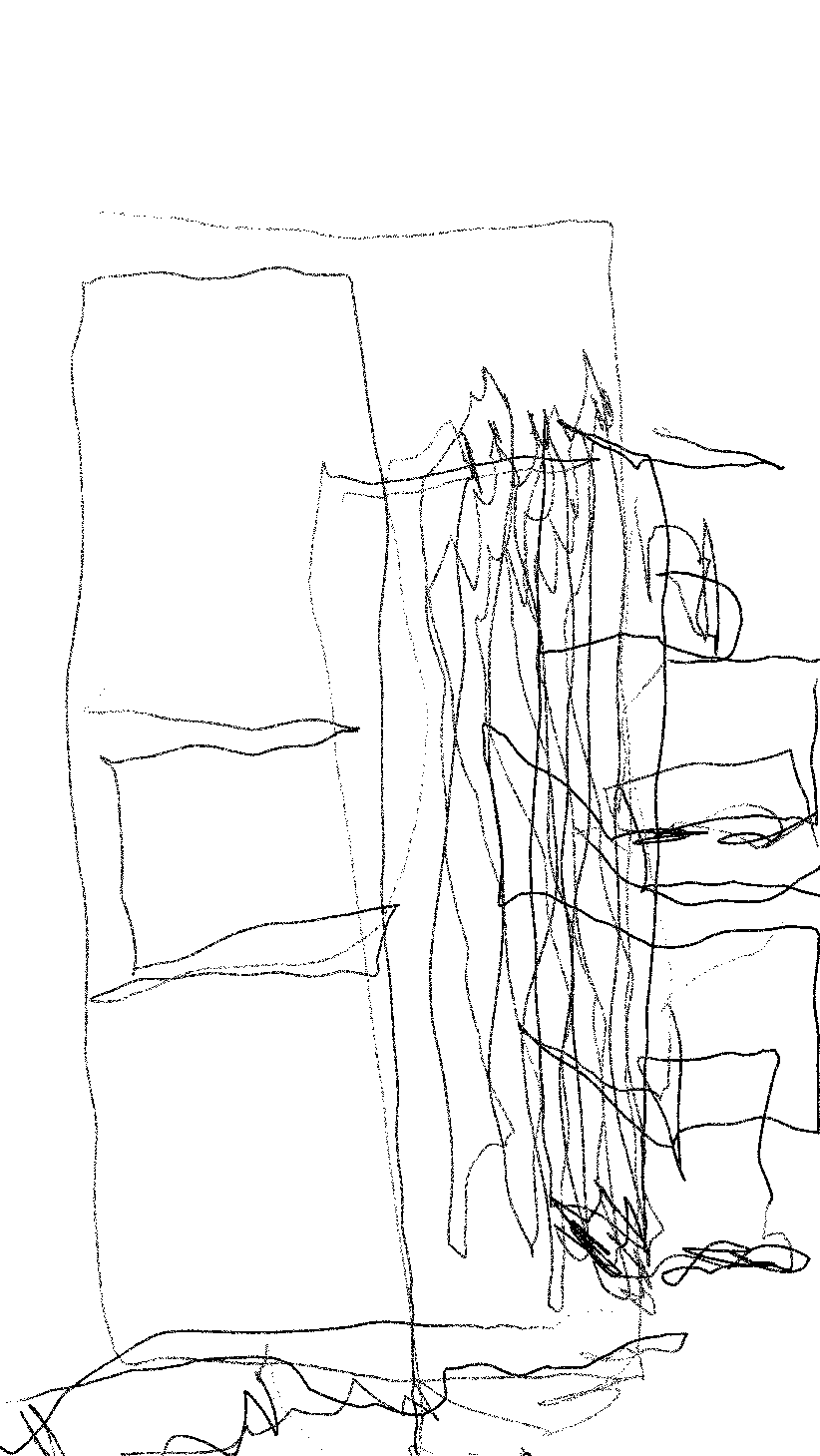 NOCTURNAL PICTOGRAPH 48
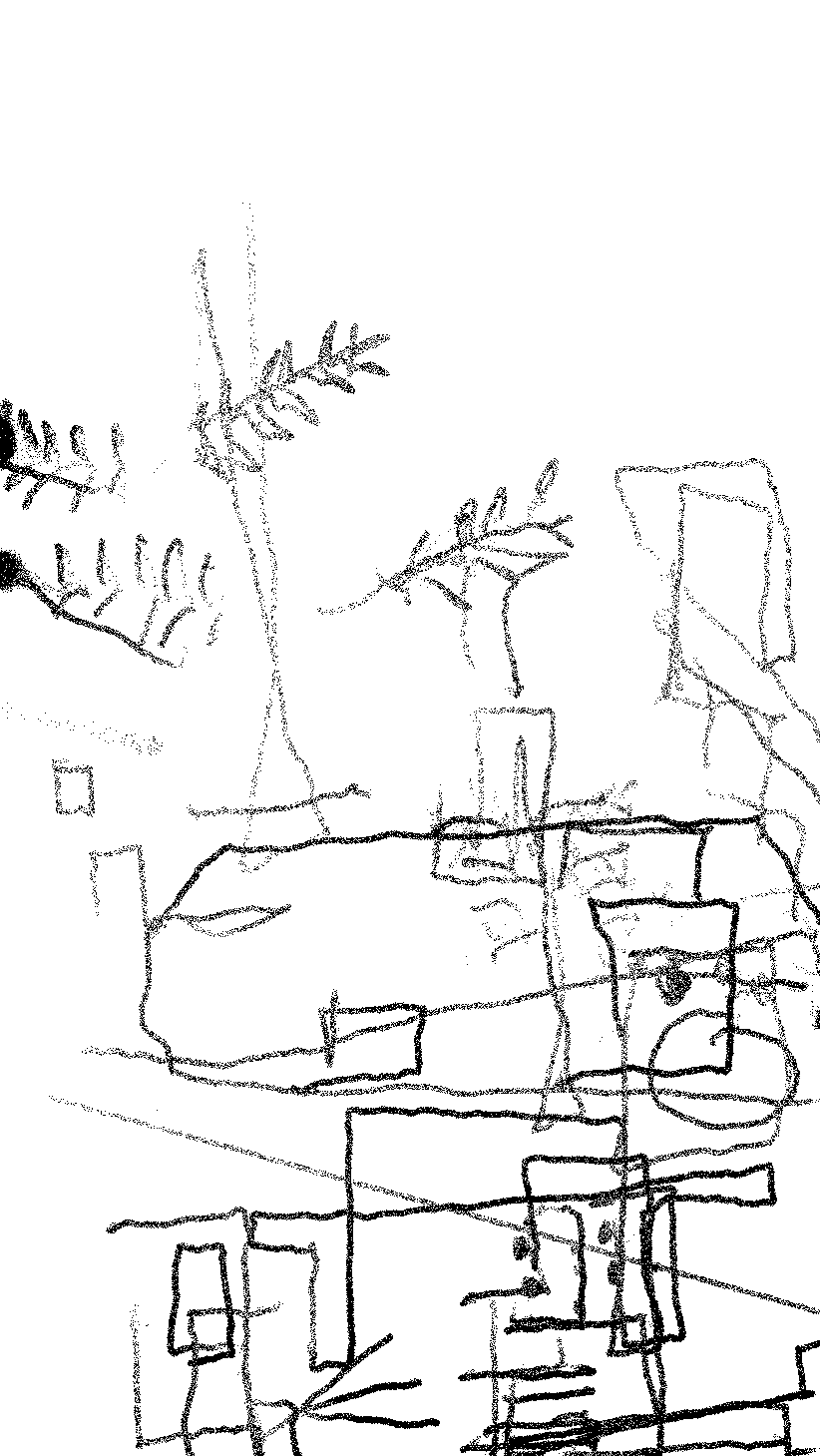 NOCTURNAL PICTOGRAPH 49
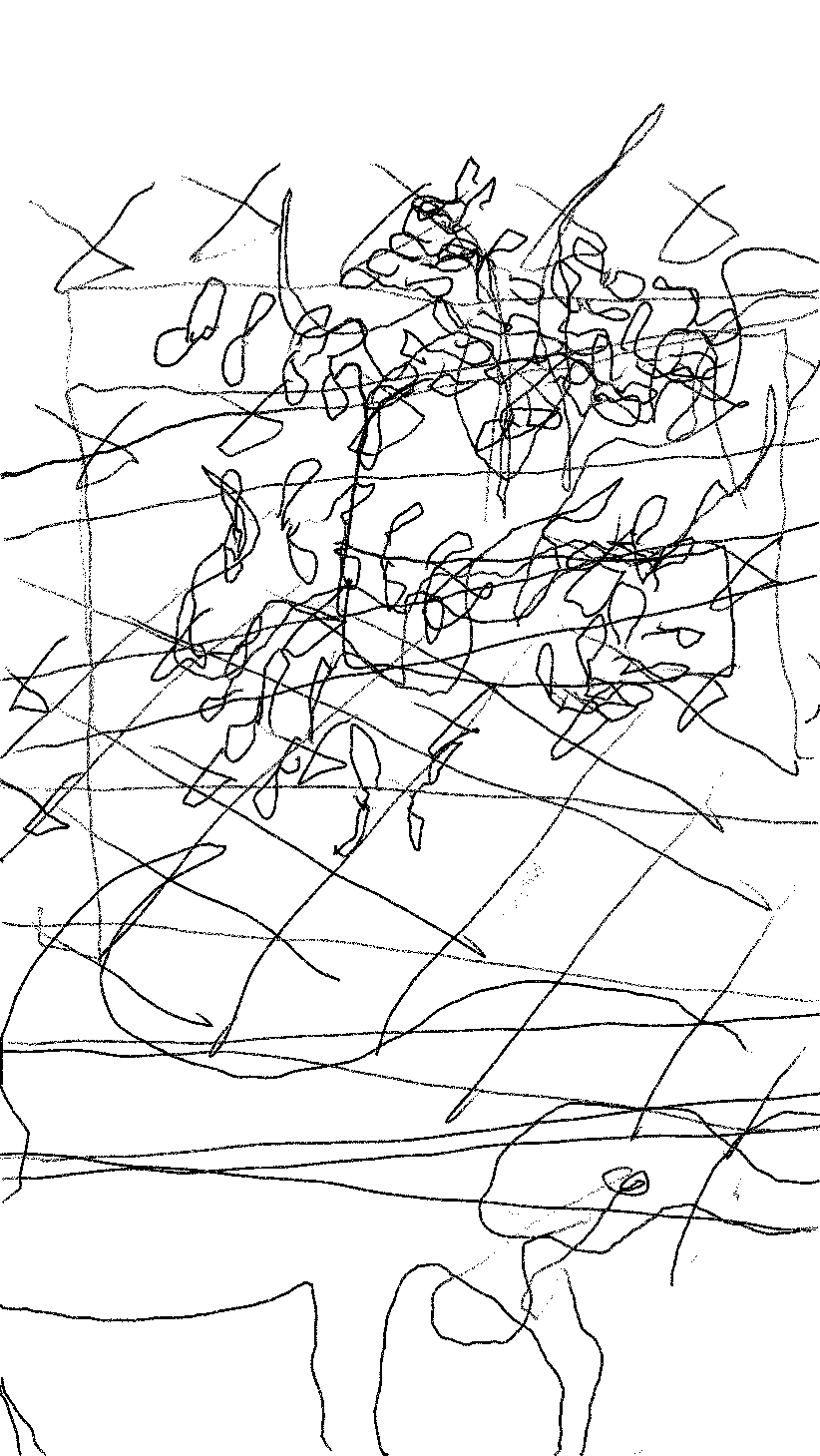 NOCTURNAL PICTOGRAPH 50
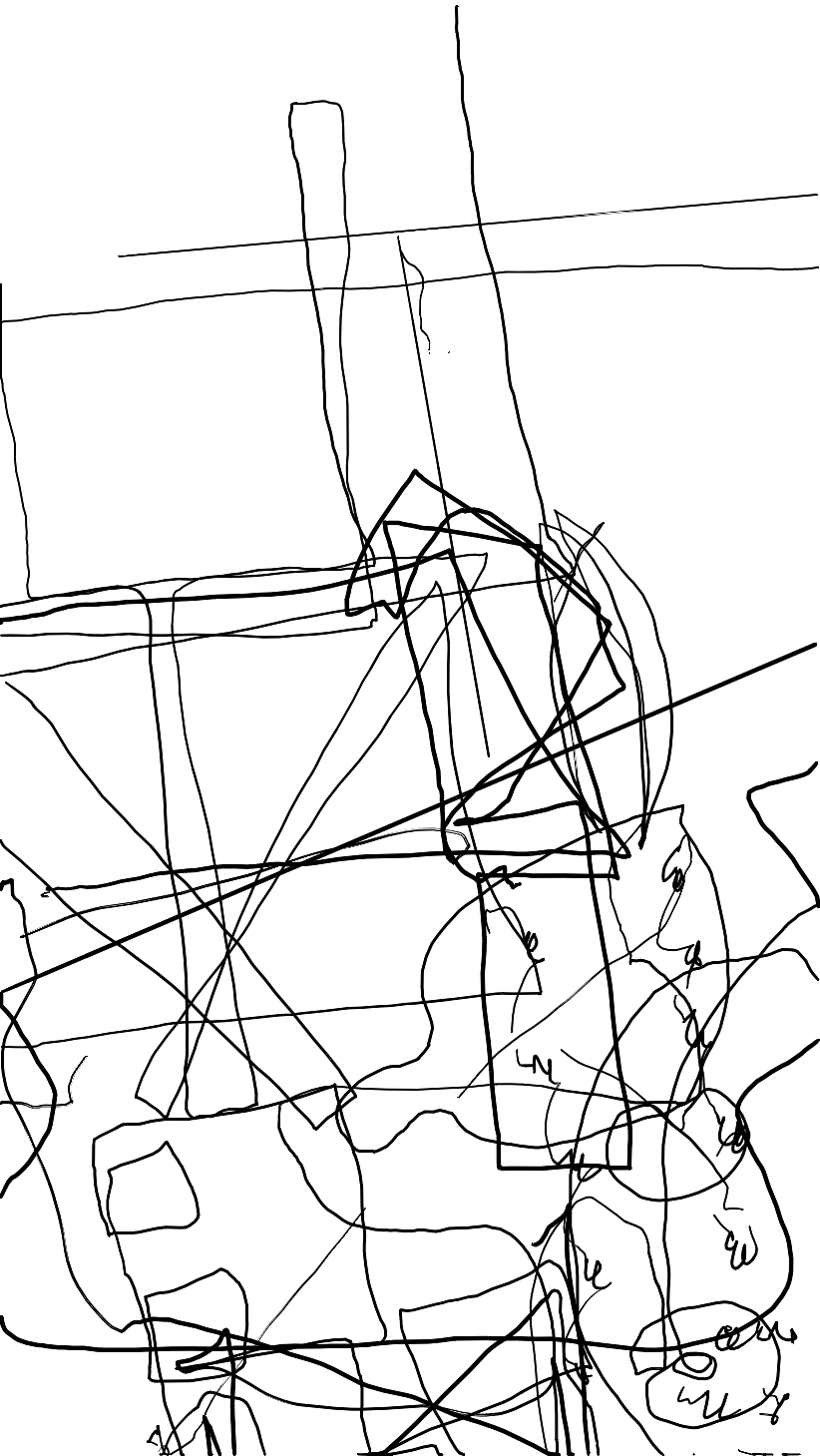 NOCTURNAL PICTOGRAPH 51
04 / PAPERBooks are sounds
Books are sounds
waiting for eyes.
The complete visible shelf: published books, theoretical works, cosmic manuals, interviews and manuscripts. Portuguese titles remain in Portuguese. Where a complete digital edition was supplied, the whole book opens directly.
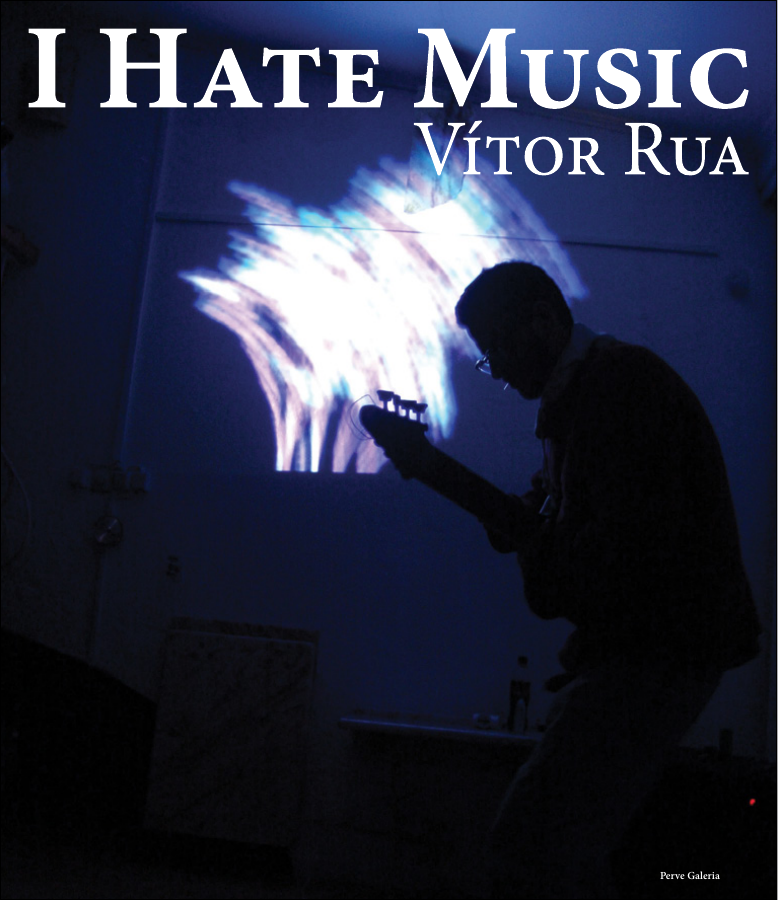 COMPLETE PDF / FEATURED
I Hate Music But I Love Art
The book born from the anthological exhibition
OPEN THE COMPLETE BOOK ↗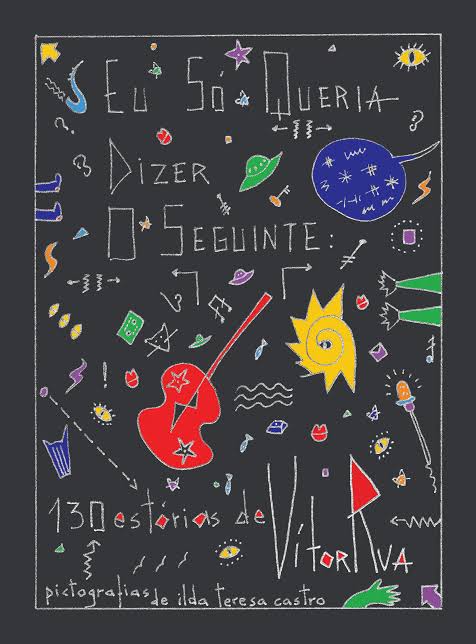 CODAX MUSIC
Eu Só Queria Dizer o Seguinte
FIND THE BOOK ↗Mala de Sons
FIND THE BOOK ↗Estrelas, Gatos, Silêncios e Uma Piscadela
FIND THE BOOK ↗Sonosfera Telectu — Órbita de Universos Paralelos
FIND THE BOOK ↗O Tempo Ergo Existe — Teoria Científica
FIND THE BOOK ↗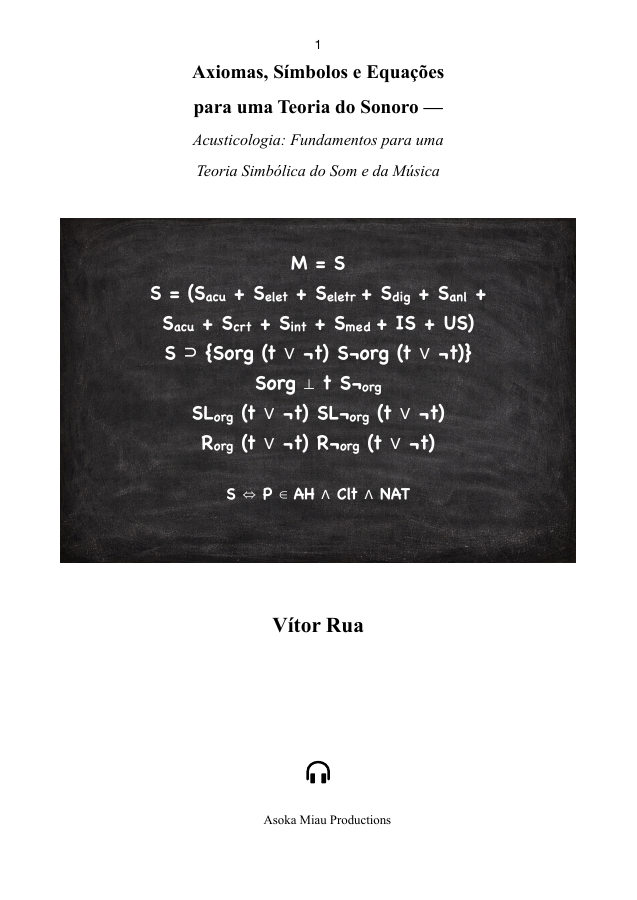 COMPLETE PDF
Axiomas, Símbolos e Equações para uma Teoria do Sonoro
Acusticologia — fundamentos para uma teoria simbólica do som e da música
OPEN THE COMPLETE BOOK ↗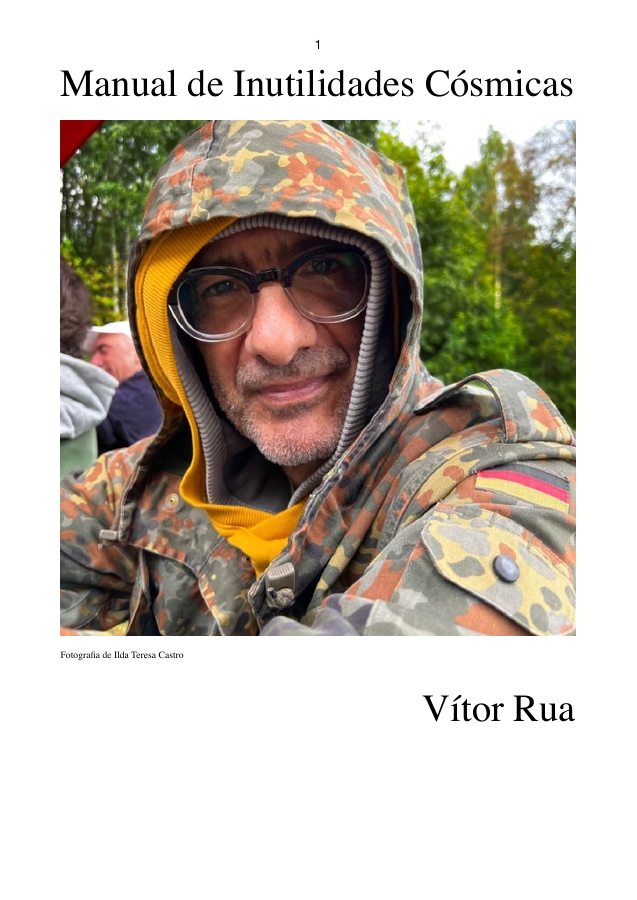 COMPLETE PDF
Manual de Inutilidades Cósmicas
OPEN THE COMPLETE BOOK ↗O Som Que Se Entrevista a Si Próprio
OPEN THE COMPLETE BOOK ↗#mantrasdigitais
OPEN THE COMPLETE BOOK ↗Os Contos de Rua nas Marés do Cosmos
OPEN THE COMPLETE BOOK ↗Em Busca da Música Perdida
OPEN THE COMPLETE BOOK ↗Mijar Fora do Tempo
Ensaios Dromológicos para uma Editora Inexistente
OPEN THE COMPLETE BOOK ↗O Som — Do Big Bang à Inteligência Artificial
OPEN THE COMPLETE BOOK ↗05 / MOVING IMAGES + OPERAThe screen opens
The screen opens
its second eyelid.
OPERAS + MUSICAL THEATRE
A voice borrows a body and the stage begins to dream.
OPERAS + MUSICAL THEATREUma Vaca Flatterzunguewatch ↗OPERAS + MUSICAL THEATREOpera with Joana Gama — preferred versionwatch ↗OPERAS + MUSICAL THEATREOpera — archive Iwatch ↗OPERAS + MUSICAL THEATREOpera — archive IIwatch ↗OPERAS + MUSICAL THEATREOpera — archive IIIwatch ↗OPERAS + MUSICAL THEATREOpera — archive IVwatch ↗OPERAS + MUSICAL THEATREMusical theatrewatch ↗
CONCERTS, SOLOS + ENCOUNTERS
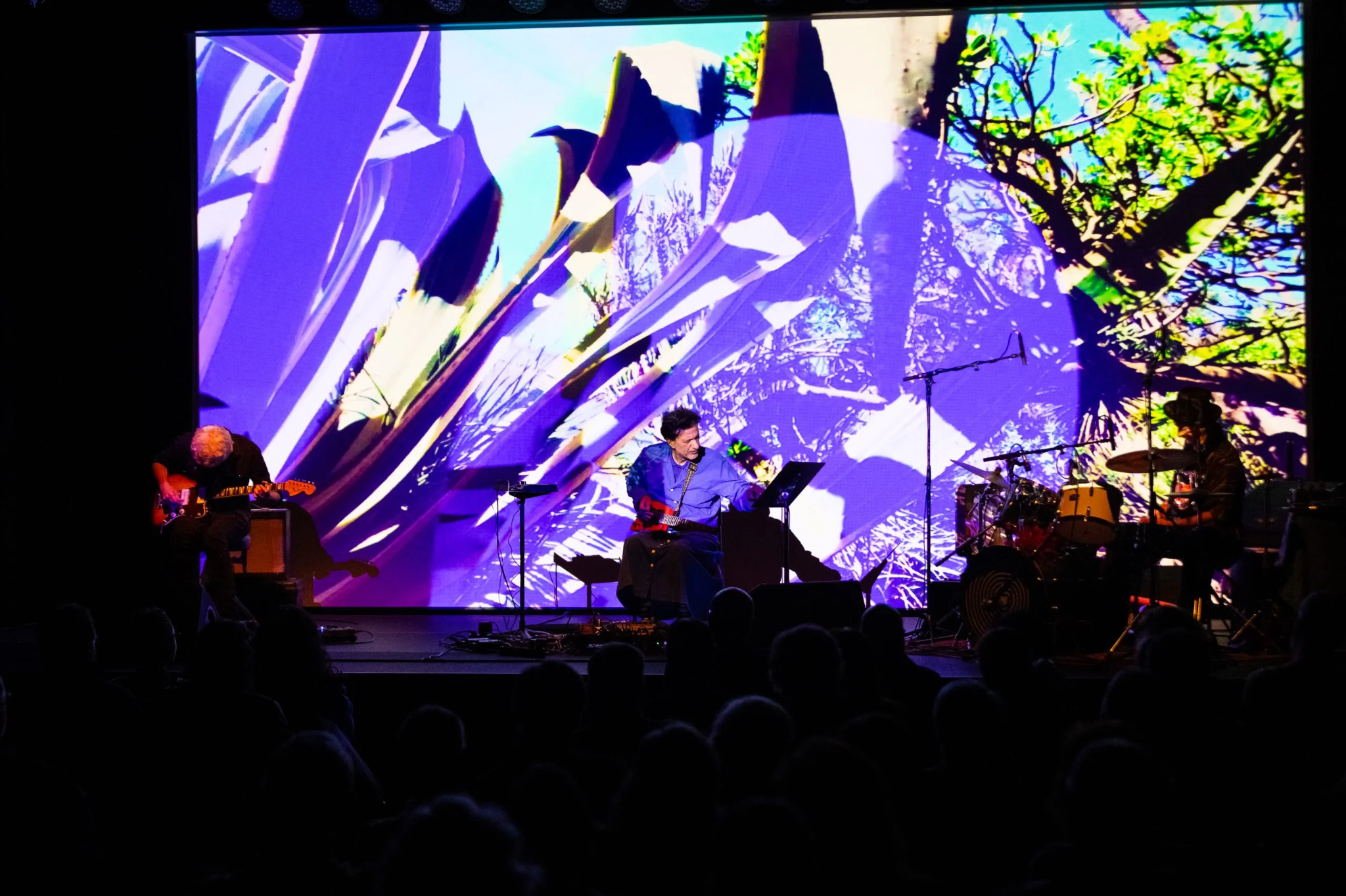
The guitar remembers several futures at once.
CONCERTS, SOLOS + ENCOUNTERSRua & Chris Cutler — concertwatch ↗CONCERTS, SOLOS + ENCOUNTERSImportant solo Iwatch ↗CONCERTS, SOLOS + ENCOUNTERSImportant solo IIwatch ↗CONCERTS, SOLOS + ENCOUNTERSFour electric-guitar solos Iwatch ↗CONCERTS, SOLOS + ENCOUNTERSFour electric-guitar solos IIwatch ↗CONCERTS, SOLOS + ENCOUNTERSFour electric-guitar solos IIIwatch ↗CONCERTS, SOLOS + ENCOUNTERSFour electric-guitar solos IVwatch ↗CONCERTS, SOLOS + ENCOUNTERSDuo with Elliott Sharpwatch ↗CONCERTS, SOLOS + ENCOUNTERSFor Daniel Kientzywatch ↗CONCERTS, SOLOS + ENCOUNTERSFor two electric guitarswatch ↗CONCERTS, SOLOS + ENCOUNTERSComposition performed in Romaniawatch ↗
FADO + DANCE
Tradition enters the machine and leaves with different shoes.
PORTRAITS, INTERVIEWS + ARCHIVES
A life looks back at the camera and changes its past.
PORTRAITS, INTERVIEWS + ARCHIVESRua (Isto não é um filme, é um cometa) — documentarywatch ↗PORTRAITS, INTERVIEWS + ARCHIVESInterview — archive Iwatch ↗PORTRAITS, INTERVIEWS + ARCHIVESInterview — archive IIwatch ↗PORTRAITS, INTERVIEWS + ARCHIVESTelevision programme by and about Vítor Ruawatch ↗PORTRAITS, INTERVIEWS + ARCHIVESAnthological exhibition at Perve — teaserwatch ↗
06 / RESEARCHA theory is a dream
A theory is a dream
with footnotes.
06½ / ZOOMUSICOLOGIAThe forest keeps a score
The forest keeps a score
we are only beginning to read.
Two essays listen beyond the human border: to tracks, scents, gestures, calls and the many kinds of writing and music made by other animals.
2 ESSAYS · COMPLETE PDFS · PORTUGUESE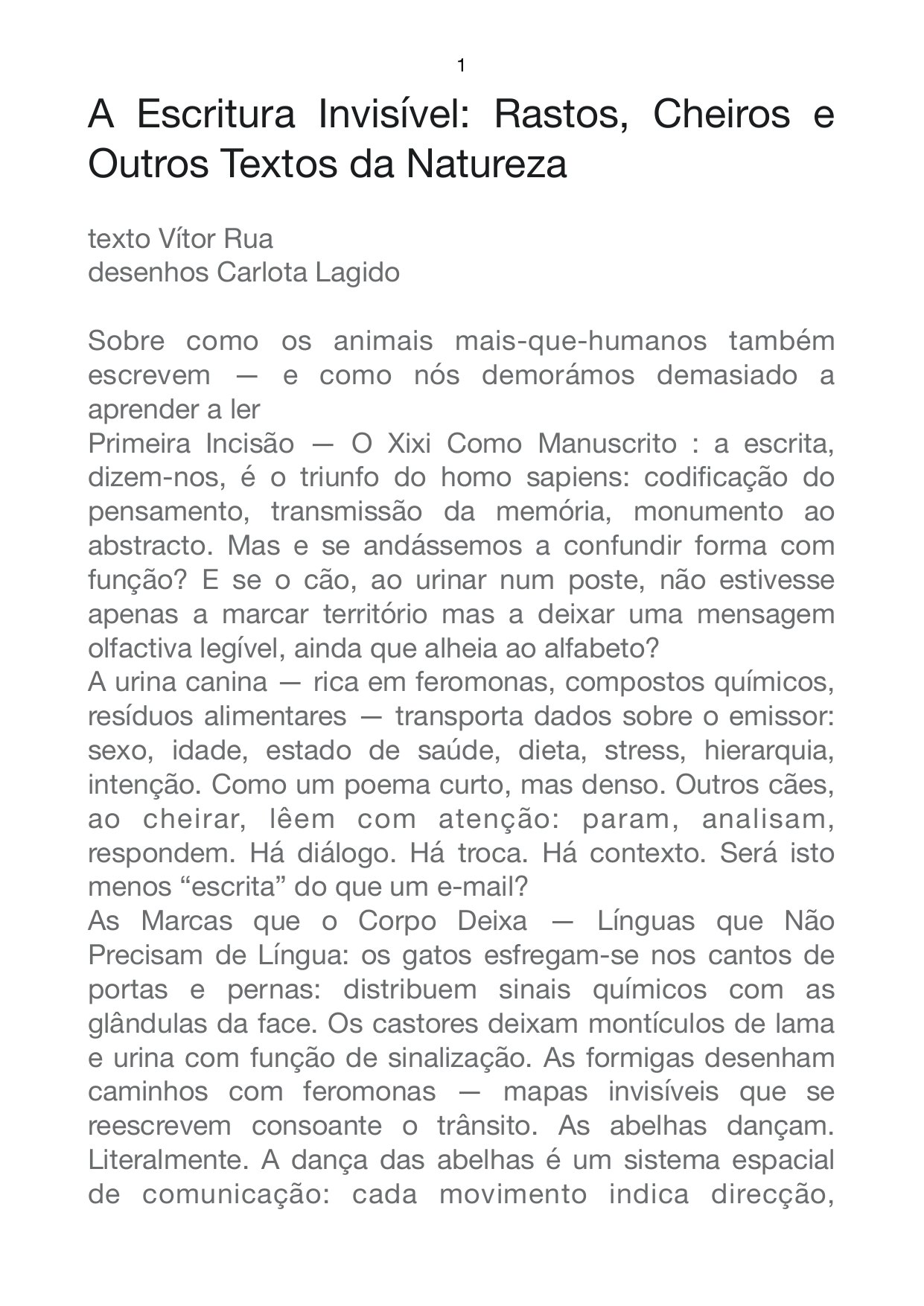 OPEN THE COMPLETE ESSAY ↗
ESSAY · 23 PAGES
A Escritura Invisível: Rastos, Cheiros e Outros Textos da Natureza
A journey through the writings of more-than-human animals — made not only with marks, but with scent, movement, sound and presence.
TEXT: VÍTOR RUA · DRAWINGS: CARLOTA LAGIDO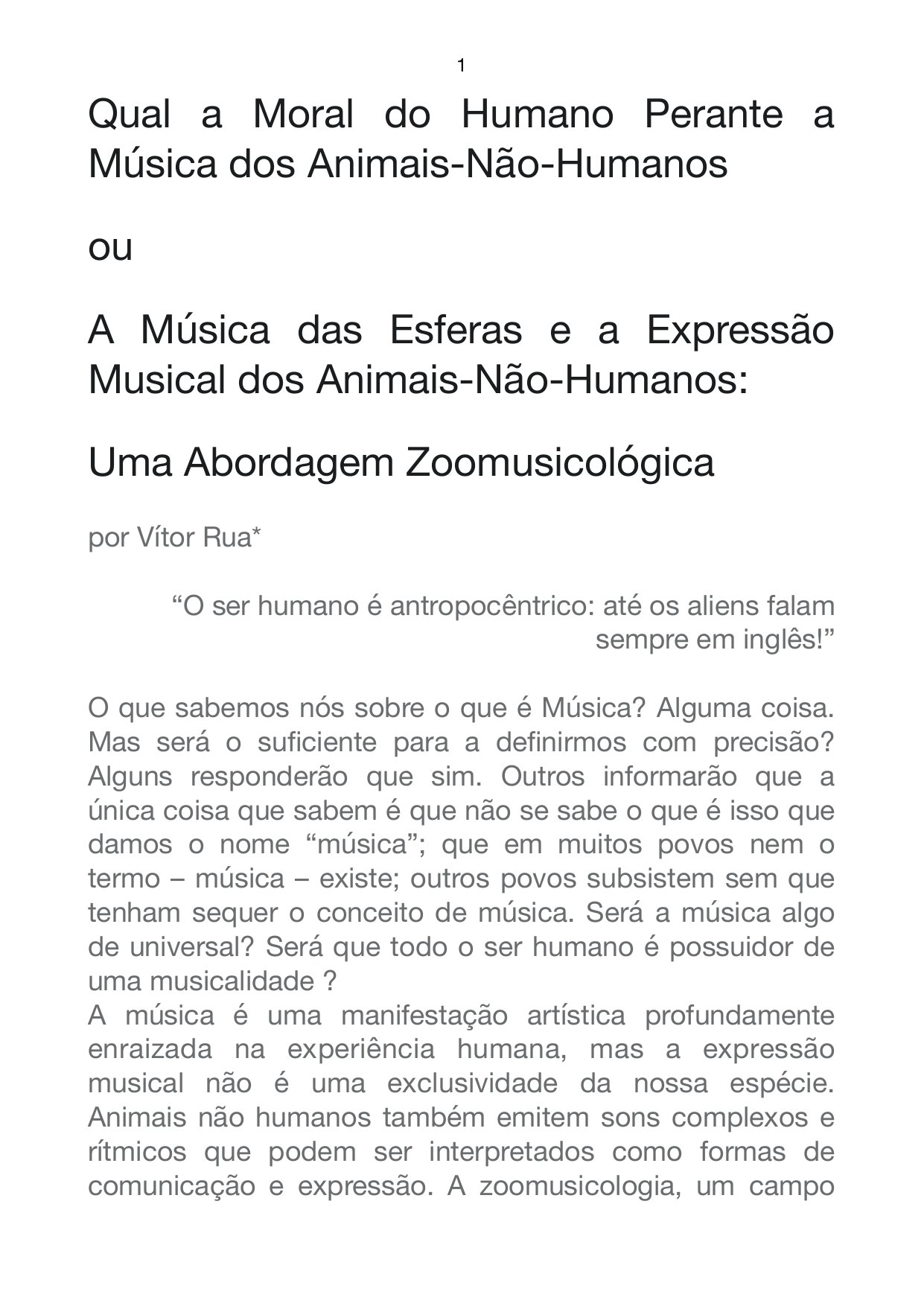 OPEN THE COMPLETE ESSAY ↗
ESSAY · 15 PAGES
Qual a Moral do Humano Perante a Música dos Animais-Não-Humanos
A zoomusicological inquiry into animal musical expression, ethics and the anthropocentric habits that decide who may be heard as a musician.
TEXT: VÍTOR RUA07 / LIFE, UNFINISHEDA biography refuses
A biography refuses
to become a straight line.
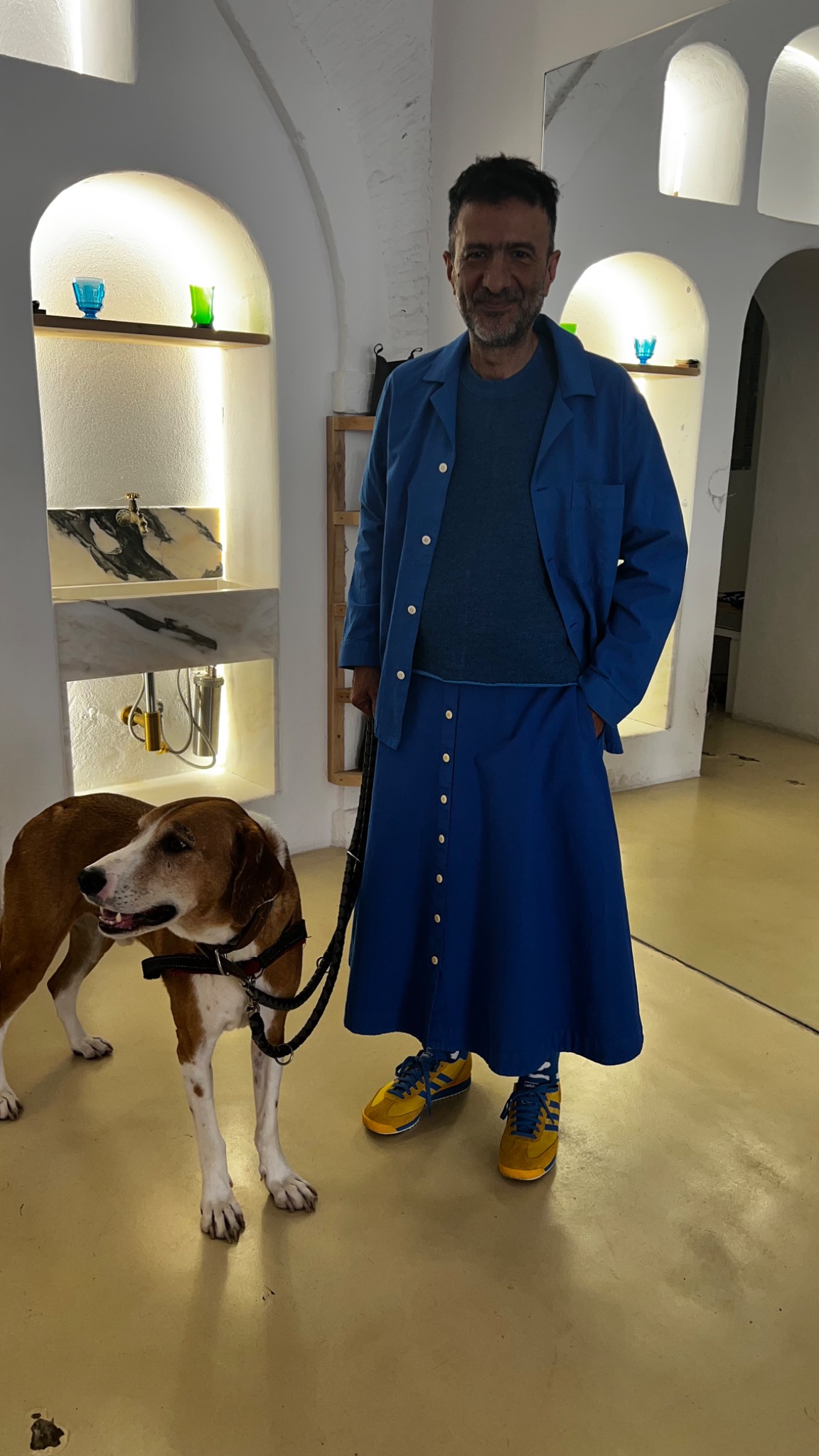
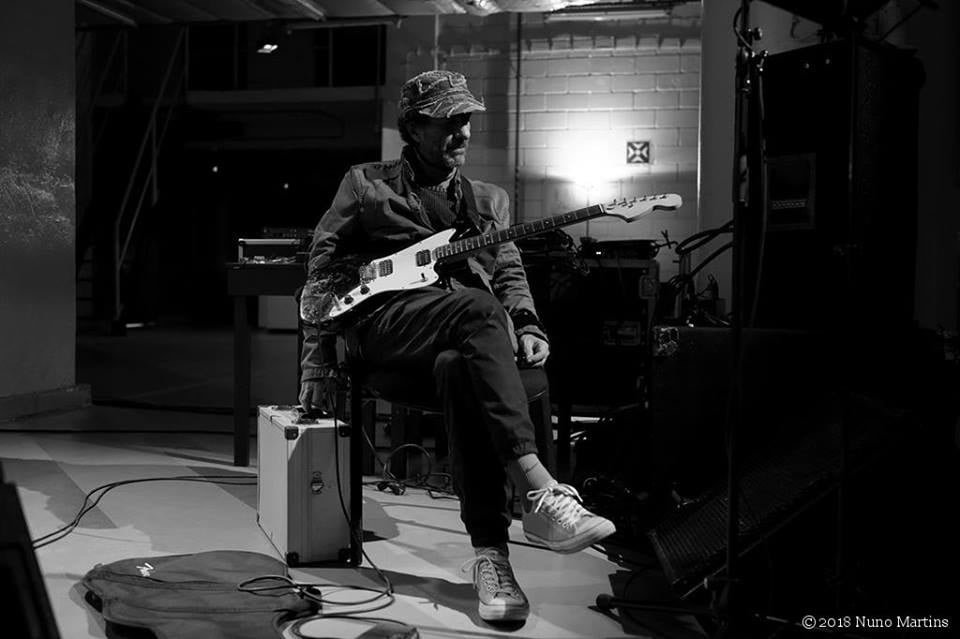
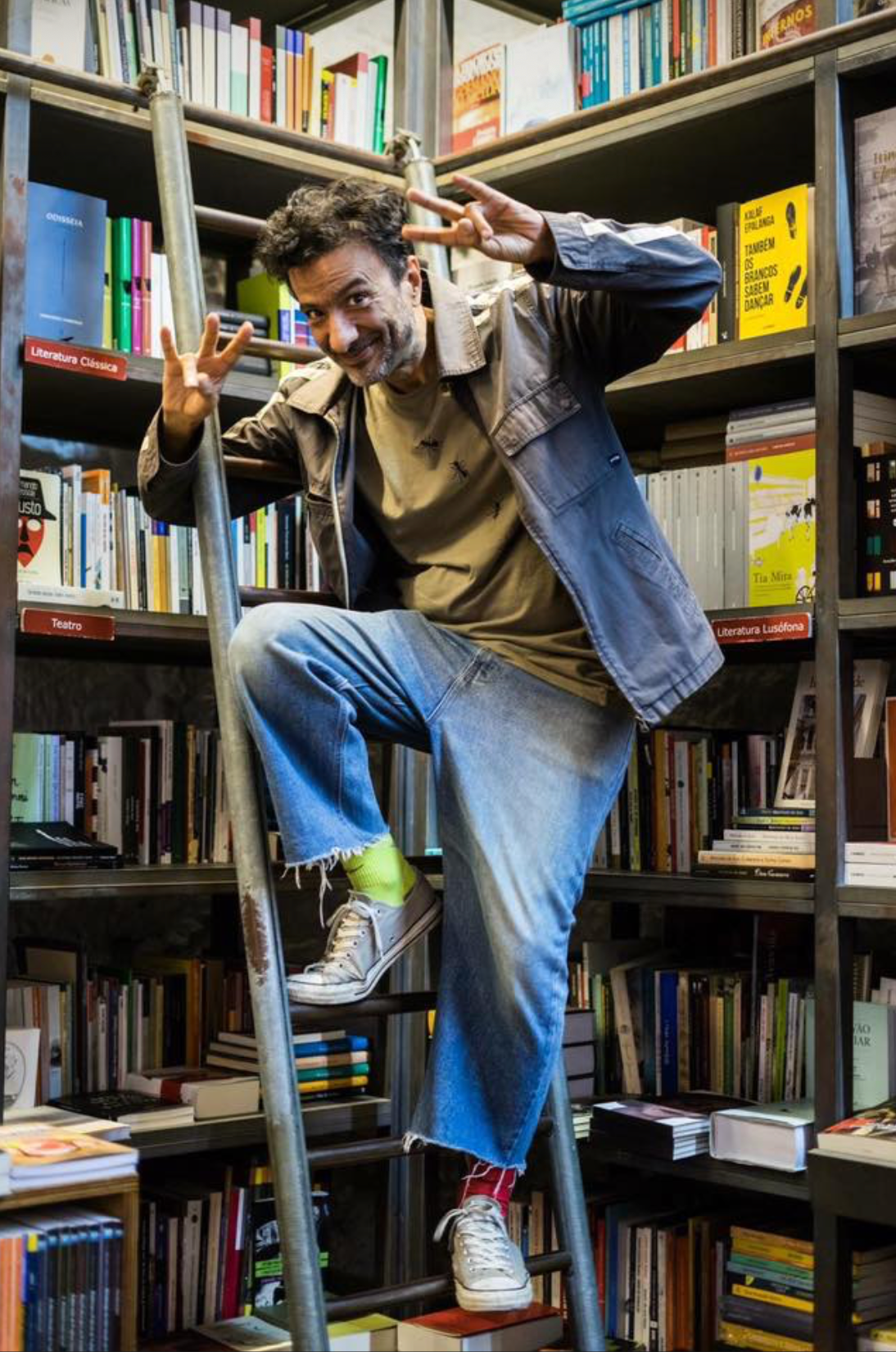
Vítor Rua was born in Mesão Frio in 1961 and has lived in Porto since he was five days old.
Composer, improviser, visual artist, writer, filmmaker and researcher: these are not separate careers, but communicating rooms in the same unstable house.
He began making music while still very young and co-founded the Porto rock group GNR at the end of the 1970s, working as guitarist and composer during the group’s formative period. After leaving, he turned decisively towards experimental and contemporary music. In 1982 he created Telectu with musician, musicologist and writer Jorge Lima Barreto.
Over nearly three decades, Telectu became a laboratory for structured improvisation, experimental electronics, prepared instruments, multimedia and encounters with musicians from several generations and geographies. The duo performed hundreds of concerts across Europe, the United States, the former Soviet Union, China, Macau, Hong Kong and Cuba, while developing one of the most singular bodies of work in Portuguese experimental music.
Rua’s work crosses written and improvised music, opera, rock, electroacoustic composition, granular guitar, sound for theatre and cinema, video, drawing, painting, sculpture, illustration and literature. These practices do not form a catalogue of parallel occupations: each one contaminates the others.
His research into sound, music and listening gave rise to the field he calls Acusticologia, developed through academic work, essays, books and lectures. Questions of sonic identity, reproduction, error, improvisation, technology and the ontology of sound repeatedly pass through both his theoretical and artistic work.
As a visual artist, he has produced painting, drawing, collage, objects, sculpture and artist’s editions. His anthological exhibition and its book — I Hate Music, born from the proposition I Hate Music But I Love Art — brought several of these bodies of work together. As a writer, he moves between theory, interview, fiction, cosmic manuals, prose poetry and books in which science occasionally trips over a cat.
The death of Jorge Lima Barreto in 2011 did not seal Telectu inside the past. The name and its experimental impulse have continued through new performances, editions and collaborations, including work with Ilda Teresa Castro. The archive remains alive because it refuses to behave like a museum.
LONGER CHRONOLOGY +
1961 — Born in Mesão Frio; Porto begins five days later.
1970s — First bands, guitar, rock and the beginning of a life organised by sound.
1979–1981 — Co-founder, guitarist and composer of GNR.
1982 — Telectu and Ctu Telectu begin another orbit.
1980s–2000s — Hundreds of concerts, recordings, collaborations, multimedia works and an ever-changing technological vocabulary.
2013 — Anthological visual-art exhibition at Perve Galeria, gathering painting, drawing, sculpture, objects and editions.
2010s–now — New music, visual work, books, films, research, revived archives and future archaeology.
A two-headed creature
leaves eighteen footprints.
- Ctu Telectu (1982)
- Belzebu (1983)
- Off-Off (1984)
- Performance (1984)
- Telefone — Live Moscow (1985)
- Fundação (1985)
- Rosa-Cruz (1985)
- Halley (1986)
- Evil Metal — with Elliott Sharp (1991)
- Oh! Pazuzu (1992)
- Theremin Tao (1993)
- Biombos — live Beijing, Macau and Hong Kong (1993)
- Telectu / Cutler / Berrocal (1995)
- À Lagardère — with Jac Berrocal (1996)
- Prélude, Rapsodies & Coda — with Daniel Kientzy (1998)
- Jazz-Off / Multimedia — with Louis Sclavis and Jac Berrocal (1998)
- Solos (1999)
- Kientzy / Telectu — Acústica Amorosa (2002)